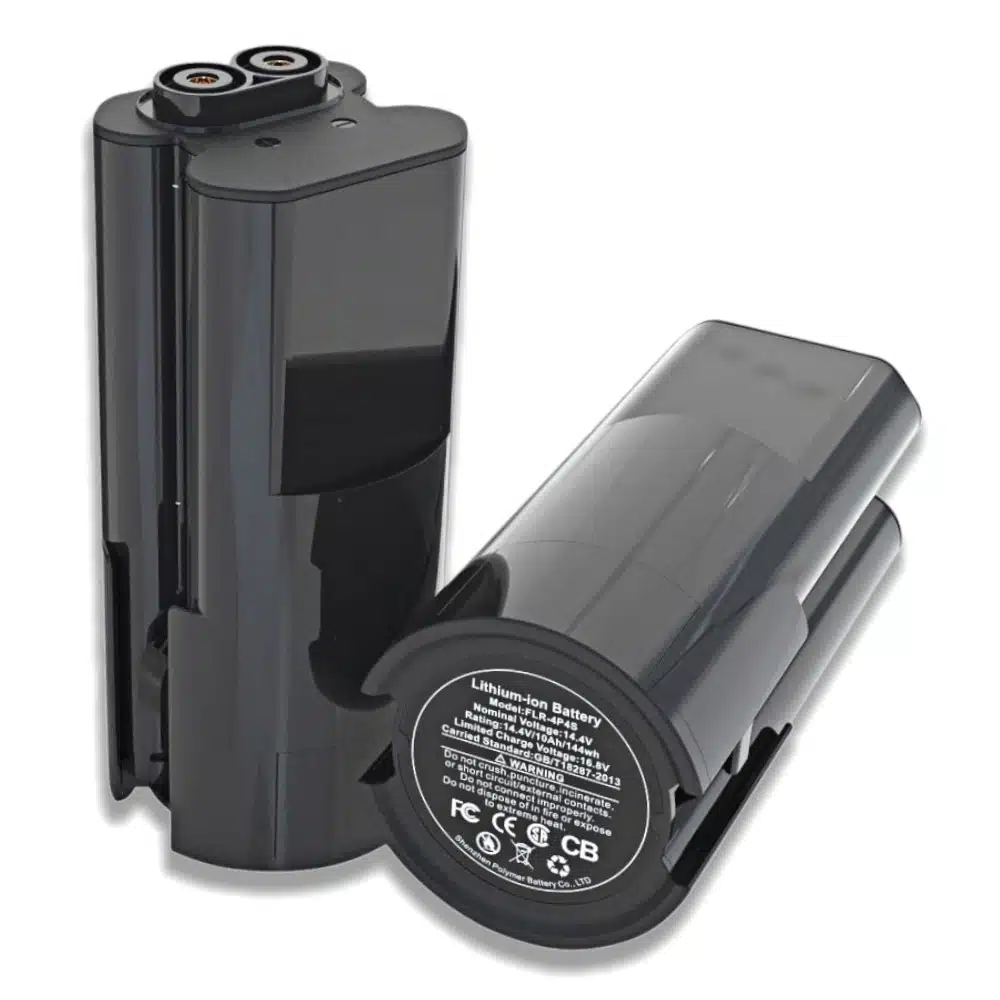
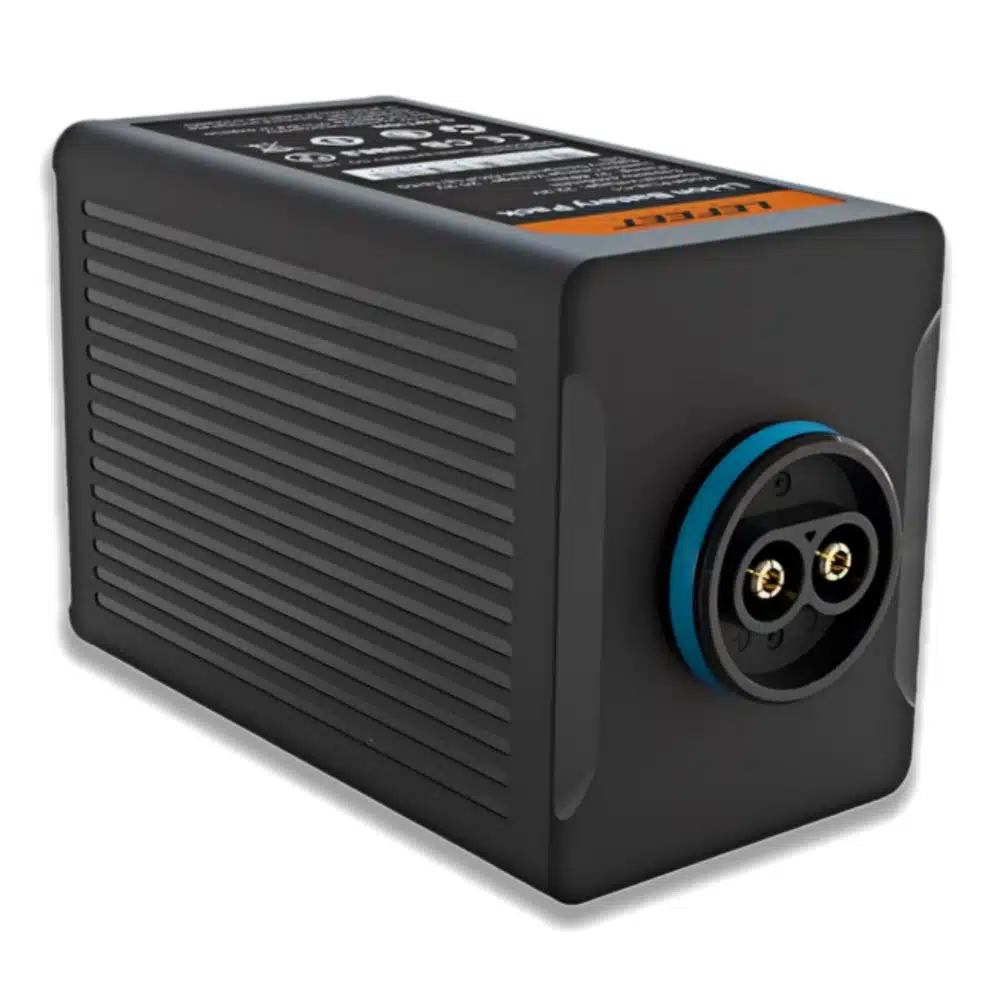
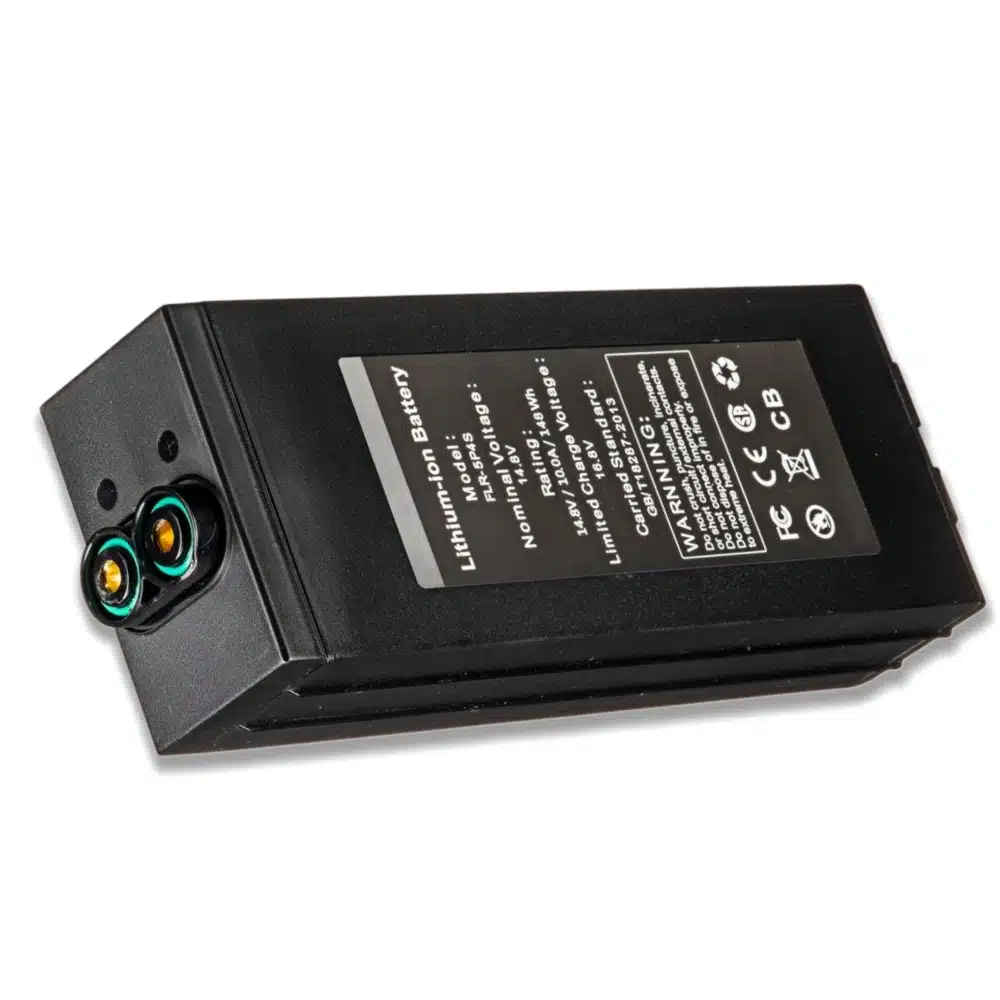
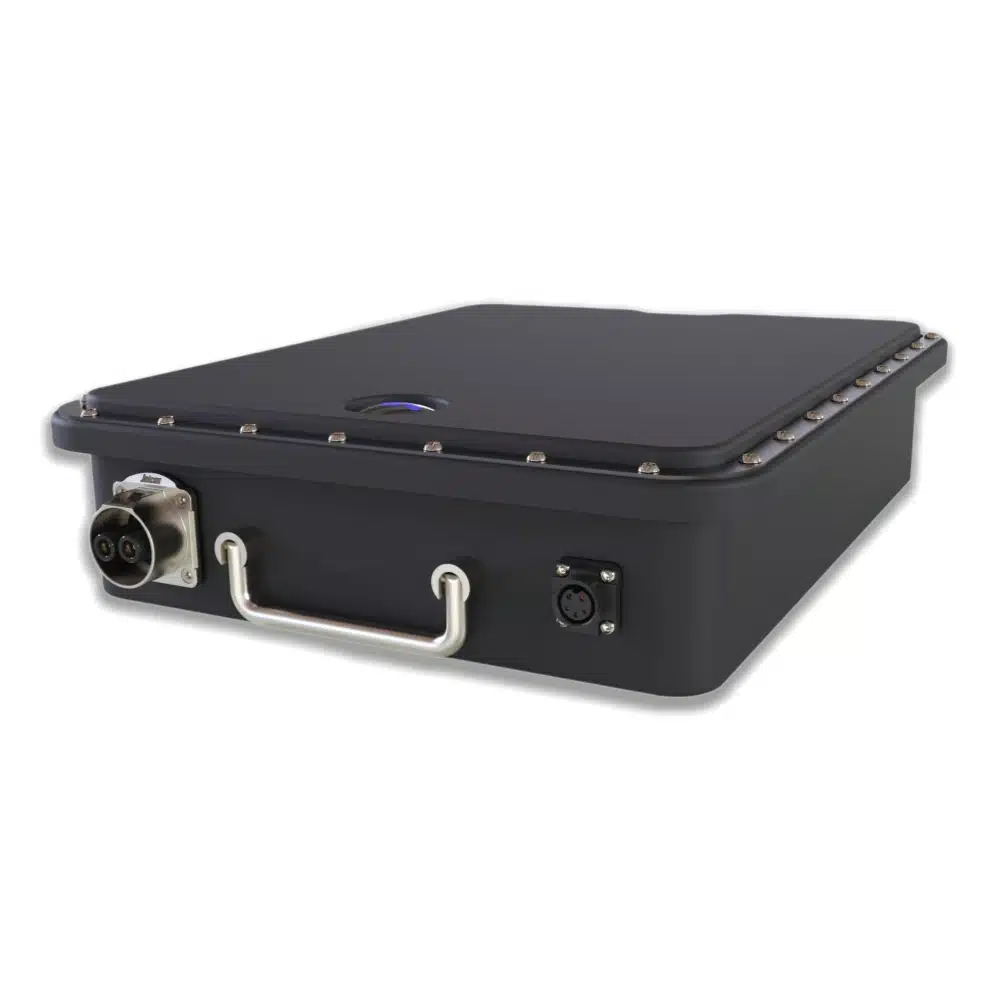
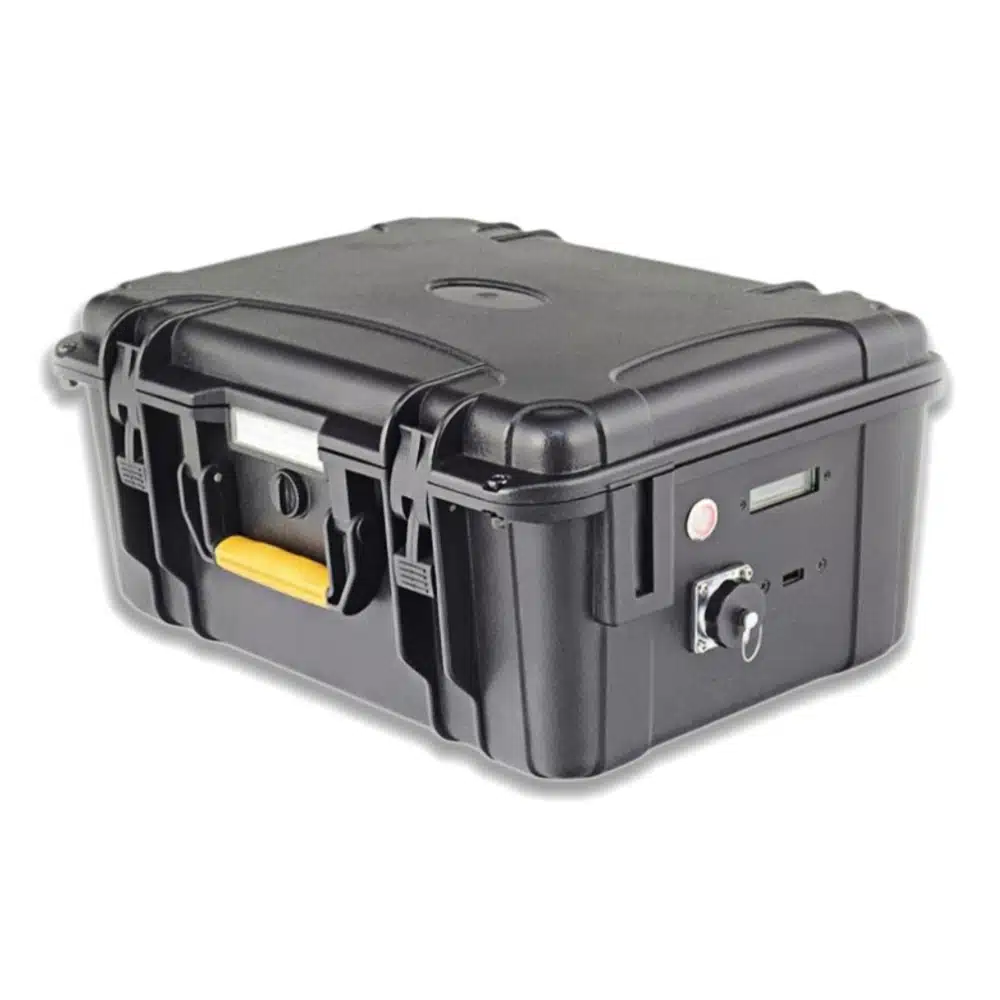
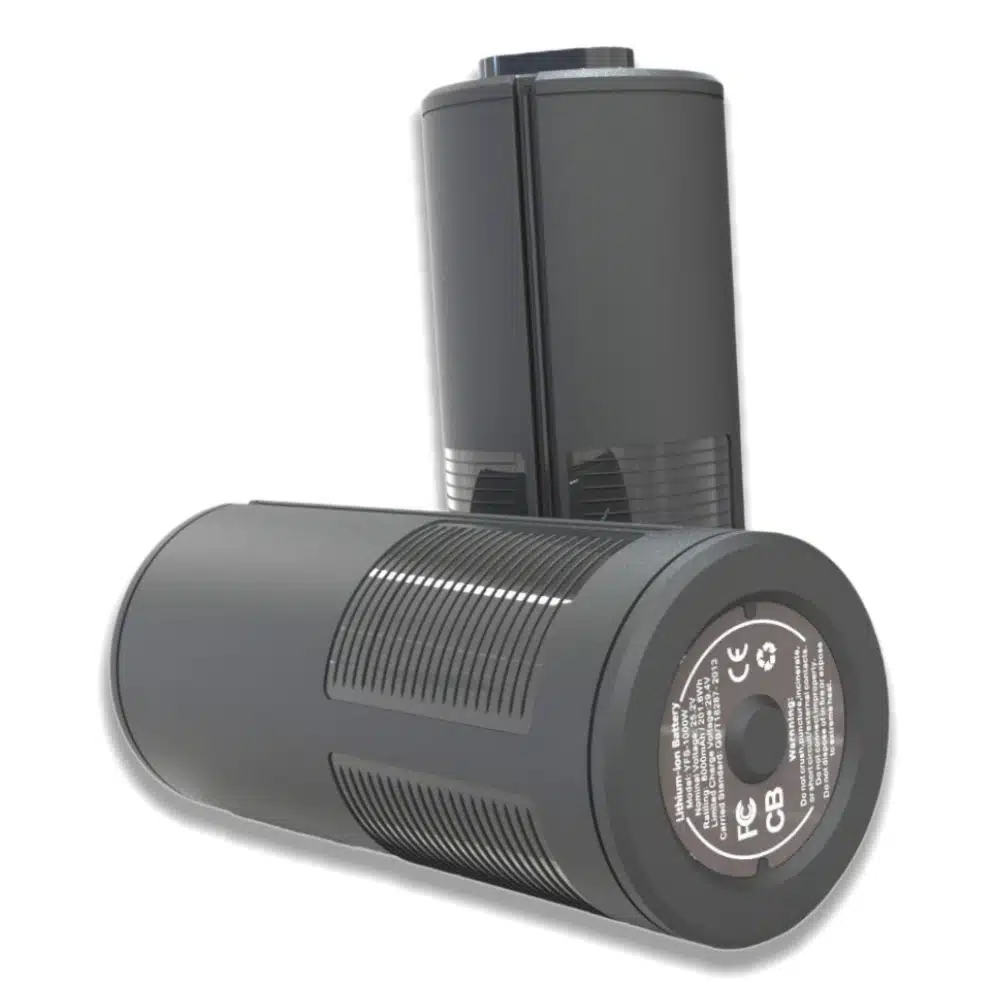
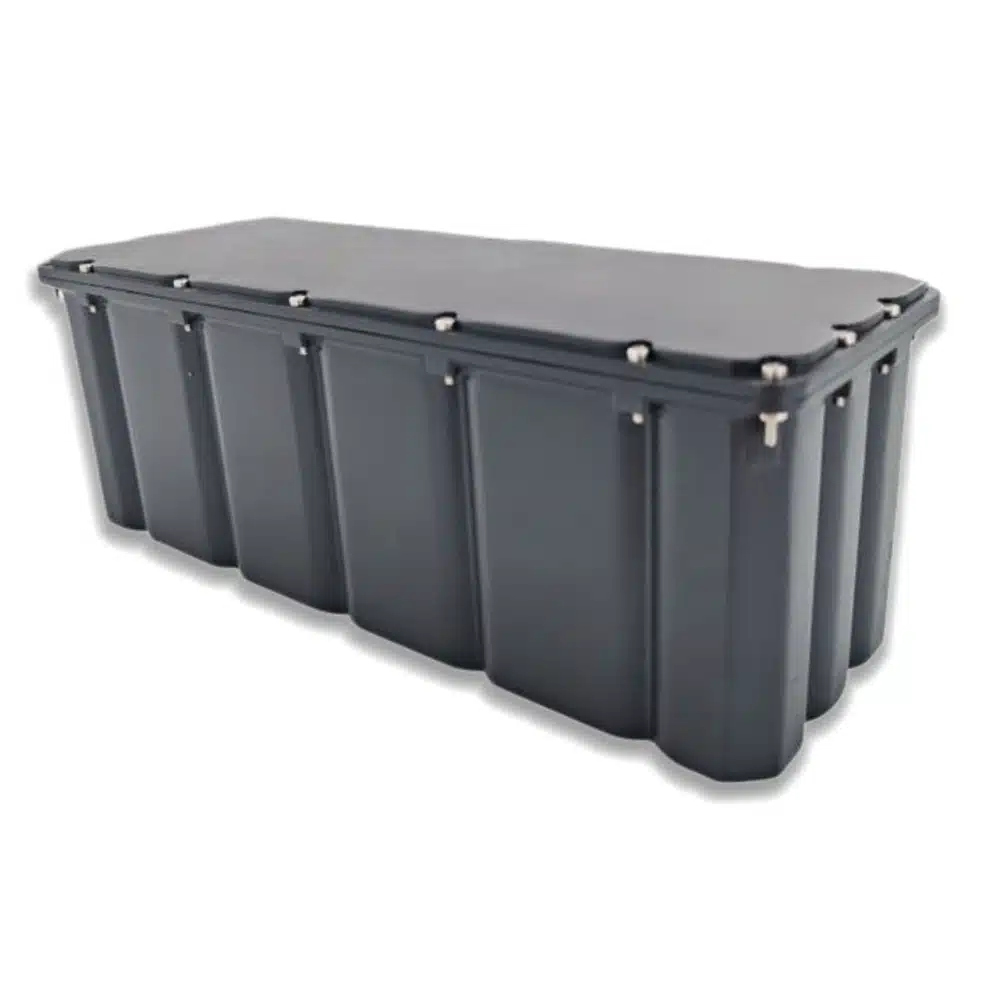
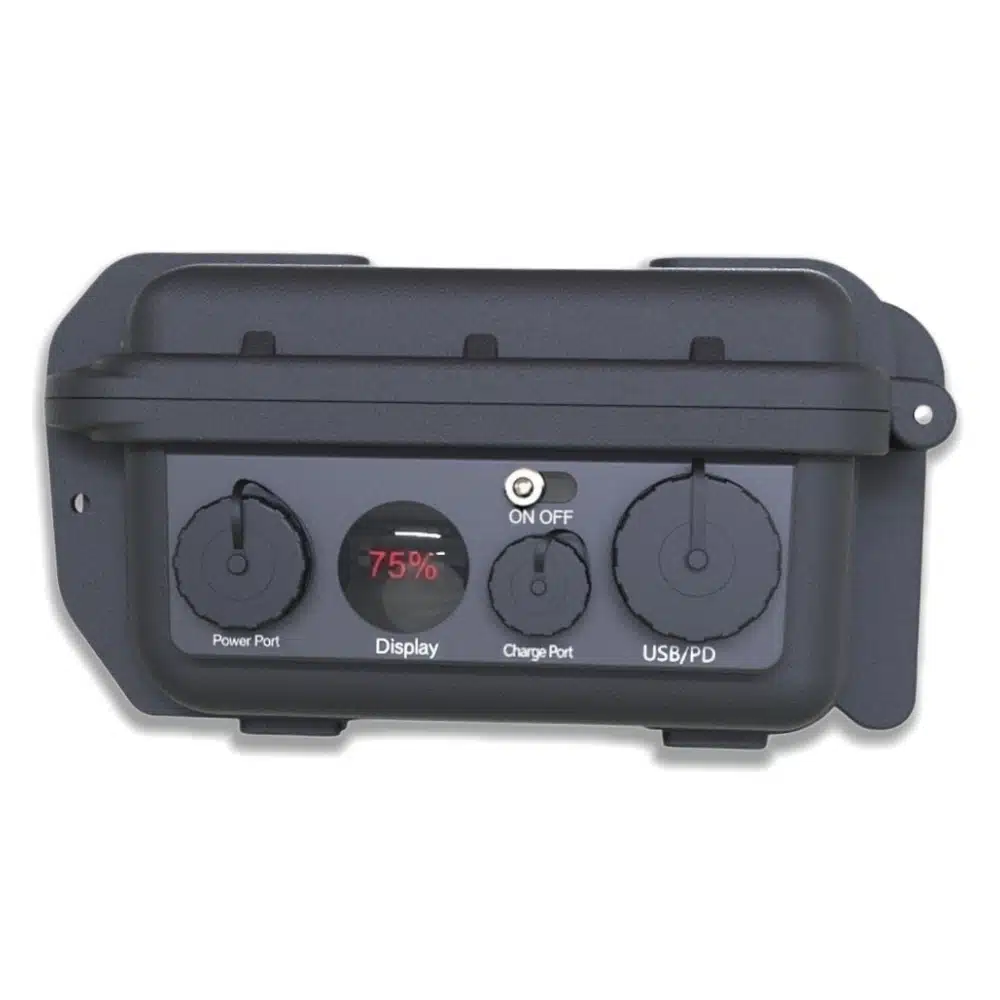
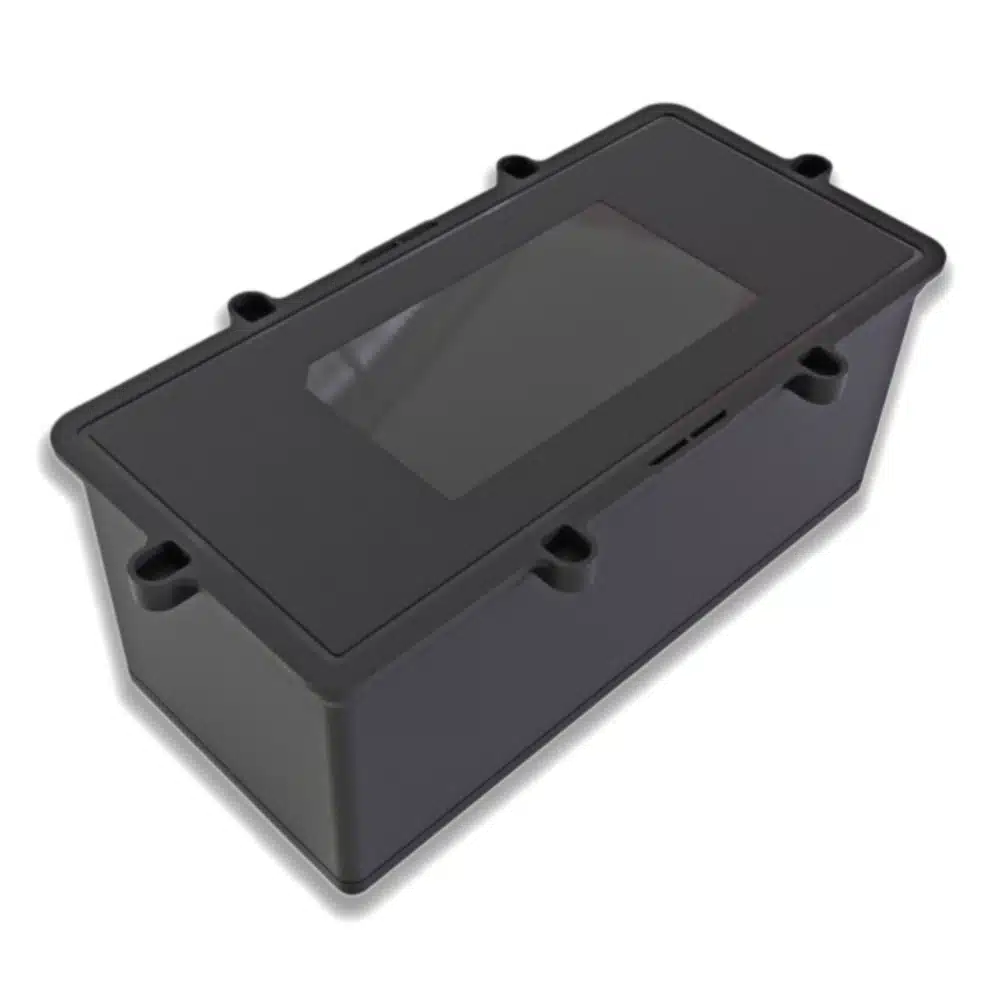
14 8v 10ah dual motor underwater scooter ip68 60m factory wholesale battery pack (1) 14 8v 10ah dual motor underwater scooter ip68 60m factory wholesale battery pack (3) 14 8v 10ah dual motor underwater scooter ip68 60m factory wholesale battery pack (2)

14.8V 10Ah IP68 Underwater Scooter Battery Pack — Dual-Motor 800–1000W Continuous | OEM Wholesale

  • IP68 rated to 50–60 meters depth — dual-barrier sealed enclosure; every unit passes individual air-pressure integrity check and full-depth water immersion QC before shipment

  • 14.8V / 10Ah / 148Wh — Li-ion, 50–60A continuous discharge, sustains 800–1000W dual-motor operation under full load

  • Compatible with Yamaha Seawing II y Robosea Seaflyer underwater scooters — 14.8V nominal matches OEM battery voltage specification on both platforms exactly

  • Cell-level FUSE architecture — individual fusible link per cell interrupts hard short-circuit current at source before thermal propagation in sealed enclosure

  • Underwater hot-swap capable — battery replacement at depth without surfacing; voltage, capacity, size, waterproof level, and connector fully customizable for OEM/ODM programs

Descripción del Producto

The 14.8V 10Ah IP68 underwater scooter battery pack is engineered specifically for dual-motor sea scooter platforms where sustained 50–60A discharge is the operating baseline, not the peak demand. At 14.8V nominal, this pack matches the OEM battery voltage specification of the Yamaha Seawing II and Robosea Seaflyer exactly — eliminating the voltage convention ambiguity that arises with alternative packs rated at 14.4V nominal and the connector and BMS compatibility questions that follow. The 148Wh energy rating delivers sustained dual-motor continuous operation in the 800–1000W range, depth-rated to 50–60 meters with every production unit individually verified through two-stage waterproof testing before shipment.

The cell-level FUSE architecture differentiates this pack from standard BMS-only protection designs. In a sealed IP68 enclosure where venting is physically impossible, a hard short circuit at any individual cell creates a thermal propagation risk if the fault current path is not interrupted at source before the pack-level BMS can respond. Each cell in this pack carries an individual fusible link sized to open under the current spike of a hard cell-level short, cutting the fault at the cell before heat can transfer to adjacent cells. The Japanese-brand IC BMS layer then handles the full range of pack-level protection — overcharge, overdischarge, overcurrent, overtemperature, and short circuit — as a second independent protection tier.

OEM and ODM customization covers voltage, capacity, enclosure dimensions, declared waterproof depth, and connector type. The compact, lightweight form factor is designed for fast installation into fixed-chassis sea scooter platforms, with dimensional consistency maintained across production batches through first-article inspection at each run. Factory documentation includes IP68 pressure log records, immersion test photographs, and UN38.3 transport compliance certificates structured for downstream CE marking technical file submission.

Parámetros técnicos

Parámetro Especificación
Modelo de batería 14.8V-10AH-UW-SCOOTER-DUAL-IP68-60M
Voltaje 14.8V (nominal)
Capacidad 10Ah
Energía 148Wh
Química celular Iones de litio
Configuración de celda 4S (cell count per design)
Continuous Discharge Current 50–60A
Supported Motor Load 800–1000W continuous (dual-motor)
Clasificación IP IP68
Declared Waterproof Depth 50–60 meters
Declared Submersion Duration Per project specification (customizable)
Underwater Hot-Swap Supported
Material de la carcasa Aluminum alloy (anodized)
Sealing Method Silicone O-ring + epoxy potting (dual-barrier)
Cell Protection Cell-level FUSE — individual fusible link per cell for hard short-circuit isolation
Protección BMS Japanese brand IC — overcharge / overdischarge / overcurrent / overtemperature / short circuit
Tipo de conector Waterproof wet-mate connector (customizable)
Temperatura de funcionamiento -20°C a +60°C
Condición New — factory-produced to declared specification
Ciclo de vida 500+ cycles at standard discharge conditions
Certificaciones UN38.3 (standard); CE / RoHS available
Garantía 12 meses
El paquete incluye 1× battery pack + IP68 test documentation package
Compatible Platforms Yamaha Seawing II, Robosea Seaflyer, dual-motor underwater scooters, sea scooters, DPV platforms
Fabricante de equipos originales (OEM)/fabricante de diseños originales (ODM) Voltage, capacity, size, waterproof depth, connector — all customizable
Tipo de suministro OEM factory-direct supply; volume replenishment supported

Características y ventajas

✅ ⚡ Dual-Motor 800–1000W Continuous Discharge — 14.8V OEM Voltage Precision Match

Dual-motor underwater scooter platforms draw sustained high current from both motor controllers simultaneously, creating a combined load profile that demands both high continuous discharge capability and stable voltage delivery across the discharge curve. This pack is rated for 50–60A continuous output — the combined draw of dual 400–500W motors at full thrust — with cells selected and matched for low internal resistance at high drain rates to minimize voltage sag under combined motor load. The 14.8V nominal voltage matches the OEM battery specification of the Yamaha Seawing II and Robosea Seaflyer directly, removing the need for voltage conversion verification or BMS recalibration that alternative nominal voltage configurations require before platform integration.


✅ 🔒 Cell-Level FUSE Protection in a Sealed IP68 Enclosure

Standard battery packs rely on the BMS to interrupt fault current — but BMS response operates at the pack level and takes measurable time to detect and disconnect. In an open or vented enclosure, this response window is acceptable because gas and heat can dissipate. In a sealed IP68 enclosure at 50 meters depth, there is no dissipation path. A cell internal short that produces fault current for even a fraction of a second before BMS cutoff generates localized heat that can initiate thermal runaway in adjacent cells with no escape route for the resulting pressure. The cell-level FUSE in this pack carries an individual fusible link per cell sized to open under hard short-circuit current at that specific cell — the fault is interrupted at source, at the cell, before heat transfer to neighbors begins. The BMS protection layer operates independently as a second tier for all other fault conditions.


✅ 📋 Fast Installation Form Factor With Batch-Consistent Dimensional Tolerances

Sea scooter OEM integration programs require a replacement battery that installs without modification to the host chassis — and that continues to install without modification across every subsequent replenishment batch. Enclosure critical dimensions on this pack are held to machined tolerance with go/no-go first-article inspection at the start of each production run. The compact, lightweight design supports fast field installation, with the underwater hot-swap connector interface allowing battery exchange at depth without surfacing the device — a feature relevant for rental fleet operations where minimizing surface time between dives directly affects daily throughput. IP68 test records and UN38.3 documentation are batch-identified and shipped with every OEM order.

Embalaje y entrega

UN38.3 wooden box packing for safe custom lithium battery pack transport.webp

Embalaje seguro y conforme

Para garantizar el tránsito seguro de mercancías peligrosas de clase 9, cada batería está protegida con Lana perlada de alta calidad (espuma EPE) y encerrado en Cajas de cartón certificadas por la ONU. Para envíos a granel, utilizamos materiales resistentes. Paletas de madera contrachapada o plástico Envuelto en film retráctil, totalmente compatible con las regulaciones de envío internacionales.

Opciones de envío globales (Incoterms)

Admitimos condiciones de envío flexibles para adaptarnos a las necesidades de su negocio, incluyendo: FOB, CIF y DDP (Puerta a Puerta con impuestos incluidos).

  • Por mar: La opción más económica para pedidos al por mayor.
  • Por aire/expreso: Entrega rápida de muestras (DHL/UPS/FedEx).
  • En tren: Servicio CR Express confiable para los mercados de Europa y Asia Central.

Plazo de producción

Nuestro plazo de entrega varía según la personalización del producto:

Tipo de producto Muestras Pedido al por mayor
Modelos estándar 5 - 7 días 14 - 20 días
Modelos personalizados 7 - 14 días 14 - 28 días

Normas de seguridad globales y cumplimiento de los estándares OEM

Al integrar una batería de litio personalizada en su dispositivo, el cumplimiento normativo es fundamental. En Balder Power, nuestras soluciones de baterías OEM se diseñan desde cero para superar rigurosas pruebas de seguridad internacionales. Garantizamos que sus baterías personalizadas cumplan con los estándares de rendimiento CE, UL e IEC, además de proporcionar los informes UN38.3 y MSDS obligatorios para un envío global sin contratiempos. Desde el prototipado inicial hasta la certificación final, eliminamos los obstáculos normativos para acelerar la entrada de su producto al mercado.

Preguntas frecuentes

Q1: This pack is rated 14.8V while some competing replacement packs are listed at 14.4V. What is the practical difference for the Yamaha Seawing II and Robosea Seaflyer?

The Yamaha Seawing II and Robosea Seaflyer both use 4S Li-ion OEM batteries with a 14.8V nominal specification — the standard nominal voltage for a 4-cell Li-ion series configuration at approximately 50% state of charge. Packs listed at 14.4V describe the same 4S cell configuration using a lower resting voltage convention; the electrical operating range across charge and discharge is identical. The practical difference is documentation and certification alignment: if your product specification sheet, CE technical file, or platform service manual references a 14.8V battery, using a pack with a 14.8V nominal rating eliminates a discrepancy that can create questions during regulatory review or warranty assessment. For OEM programs where downstream certification documentation matters, nominal voltage match to the platform OEM specification is worth specifying explicitly.


Q2: How does the cell-level FUSE architecture interact with the Japanese IC BMS — do they create any conflict in normal operation?

The two protection tiers operate independently and in sequence, not in conflict. The cell-level fusible link is a passive, one-time-operation device — a thin conductor in the cell interconnect that opens irreversibly under the specific current magnitude of a hard short circuit at that cell. It does not activate under normal discharge current, charge current, or the transient current spikes that occur during motor startup. The Japanese IC BMS handles all normal operational protection — overcharge cutoff, overdischarge cutoff, overcurrent at pack level, overtemperature, and soft short circuit — through active switching on a continuous monitoring cycle. In normal operation the fuse is never triggered. In a hard cell-level short fault, the fuse opens first in microseconds; the BMS detects the resulting pack-level anomaly and responds in its normal protection sequence afterward. The two tiers complement rather than interfere with each other.


Q3: What needs to be confirmed for Yamaha Seawing II and Robosea Seaflyer compatibility, and what is the minimum order quantity?

Voltage at 14.8V nominal matches both platform OEM specifications. Physical compatibility confirmation requires the battery bay outer dimensions and connector interface type and pin assignment for each platform — these are fixed by the chassis and cannot be assumed from voltage alone. For buyers integrating into either the Seawing II or Seaflyer, send us the OEM battery dimensions or battery bay drawing and the connector spec at inquiry stage, and we confirm dimensional and connector fit before prototype commitment. Prototype validation orders using existing enclosure tooling proceed at 10 to 20 units. Full OEM customization — voltage, capacity, declared waterproof depth and duration, enclosure dimensions, and connector — is available. Technical proposal with pricing and lead time returned within 48 hours.


Q4: How does underwater hot-swap work at 50–60 meters depth, and what connector interface is used?

At 50–60 meters, ambient water pressure is approximately 5–6 bar. Underwater hot-swap at this depth requires a wet-mate connector — a connector type specifically rated for make-and-break operations while both connector halves are under pressure, with sealed pin and socket housings that exclude water from the electrical contact area during the connect and disconnect sequence. The connector mating force and seal geometry are engineered for operation at depth, not just surface-level water exposure. The default connector on this pack supports wet-mate operation at the declared depth rating. If your platform or operational protocol uses a specific wet-mate connector standard — SubConn, Cobalt, or a proprietary interface — specify the connector type, pin count, and pin assignment at inquiry stage and we configure the pack to match.


Q5: What are the storage recommendations for this pack between operational seasons, and does the FUSE architecture affect storage behavior?

Store the pack at 40–60% state of charge — approximately 15.2V to 15.8V on the pack terminals — for periods exceeding 30 days. Full-charge storage at 16.8V accelerates electrolyte oxidation at the cathode interface; full-discharge storage risks copper dissolution at the anode if pack voltage drops below the BMS undervoltage cutoff threshold during self-discharge over an extended storage period. The cell-level fuse elements are passive conductors in the cell interconnect and do not affect self-discharge rate, storage behavior, or capacity retention — they are mechanically inert until a hard short-circuit current event occurs. For storage exceeding 6 months, a single charge-discharge cycle to verify capacity before returning to active operational use is standard practice.


Q6: What freight documentation is included, and how does UN38.3 certification apply to the 148Wh energy rating for air freight?

UN38.3 transport certification is included as standard with all shipments and covers the required testing series for lithium battery classification under IATA Dangerous Goods Regulations, IMDG Code, and ADR/RID. For air freight, a 148Wh Li-ion pack falls above the 100Wh per-cell threshold that defines Section II treatment under IATA PI 965/966/967, placing the shipment in the Class 9 dangerous goods category requiring explicit carrier pre-approval, state of charge restriction to maximum 30% for cargo aircraft, and full dangerous goods documentation. The UN38.3 certificate is the primary document your freight forwarder needs to initiate carrier approval. We supply the certificate, Safety Data Sheet, and material declaration documentation with every shipment. CE and RoHS certification are available separately for European market product registration.


Productos relacionados

Scroll al inicio
Contáctanos
Para soporte o cualquier consulta:

Correo electrónico: [email protected];


[email protected]

Teléfono/Whatsapp/Wechat:


+86 13712040916

WhHan, China

3.er piso, Edificio 1, Fase III, Centro Empresarial Internacional, Avenida Guanggu, Zona Tecnológica del Lago Este, ciudad de Wuhan, provincia de Hubei, China