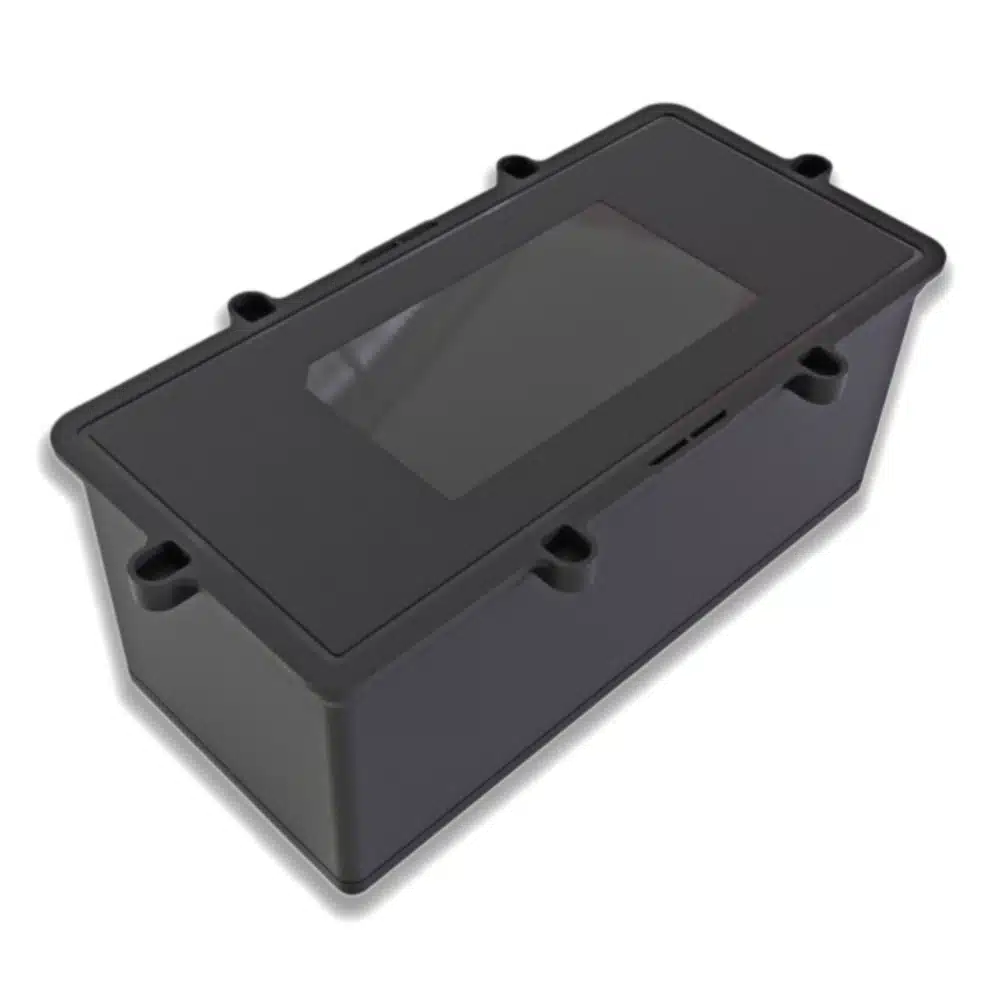
P1: ¿Cómo se logra una clasificación de profundidad de 5000 metros y qué arquitectura de la carcasa lo hace posible a una presión ambiente de 500 bares?
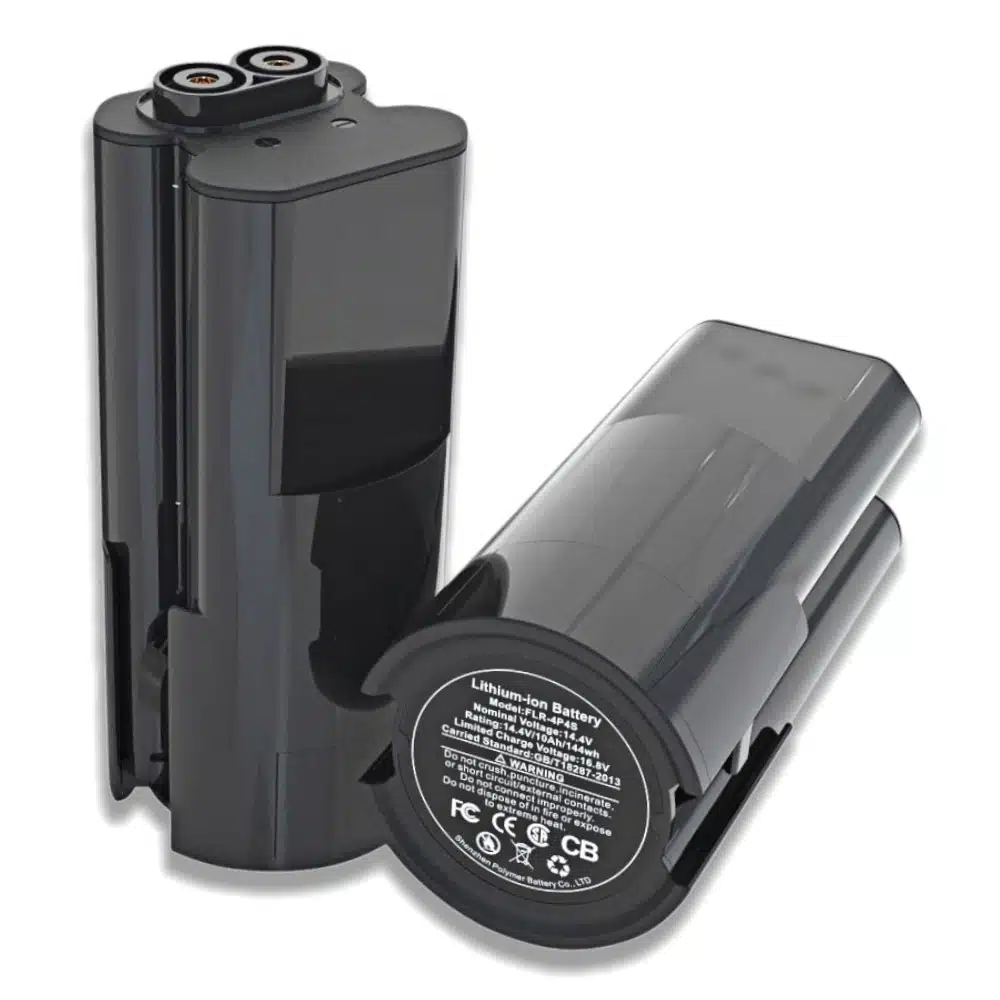
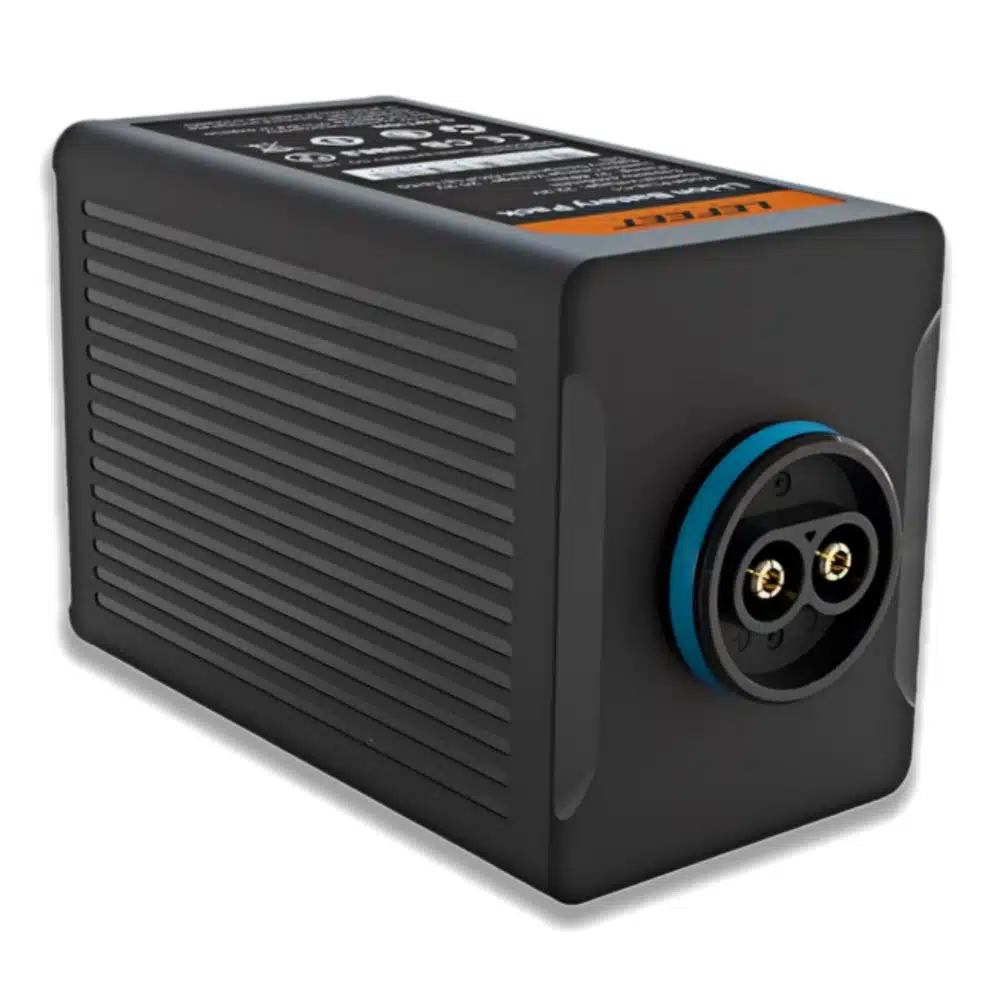
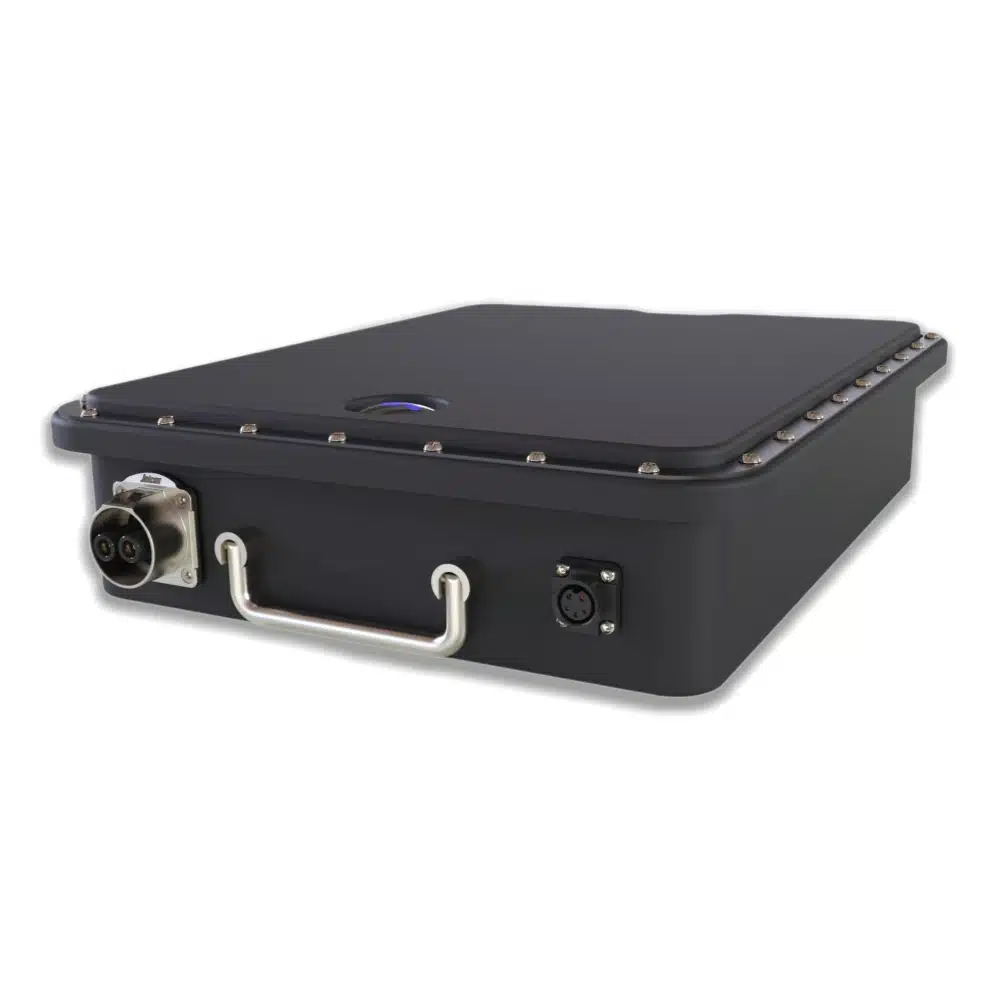
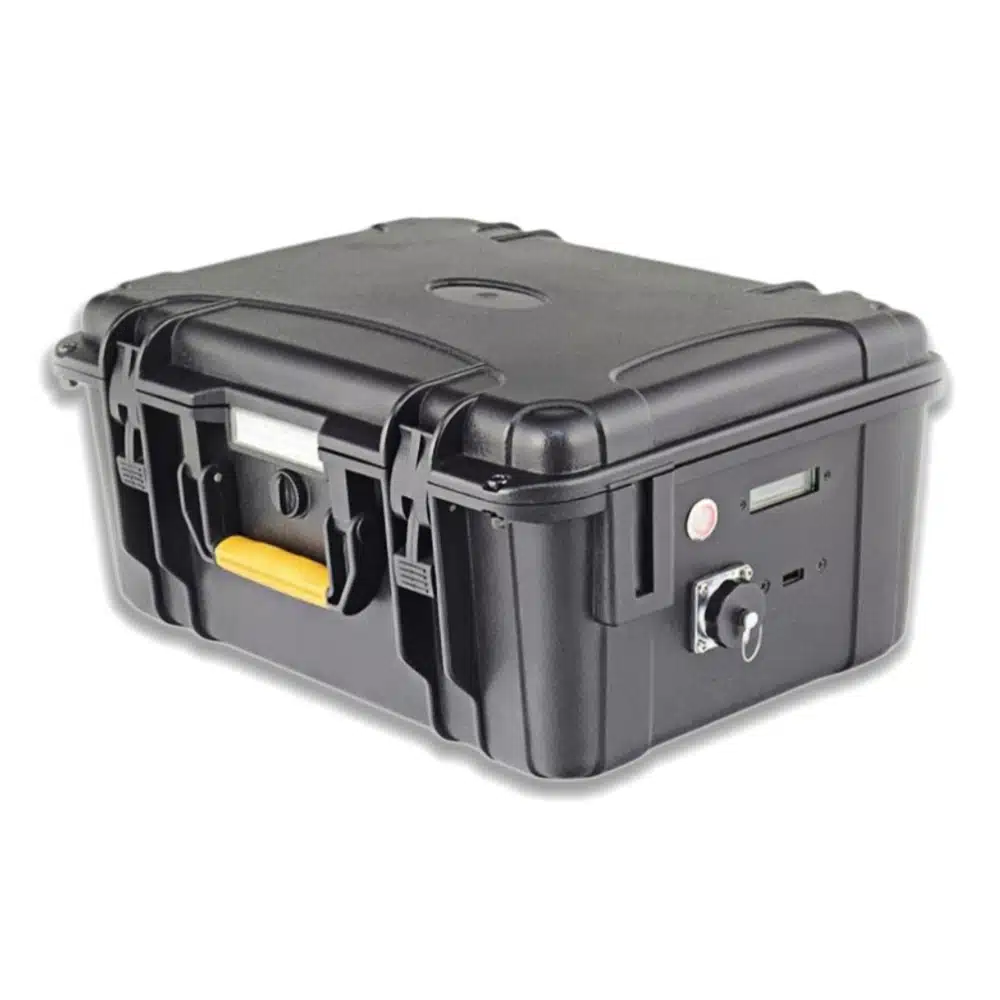
Los gabinetes recreativos estándar IP68 están diseñados y probados a profundidades de 1 a 100 metros, con presiones ambientales de 0,1 a 10 bar. A 5000 metros, la presión ambiental alcanza aproximadamente 500 bar, una carga mecánica que requiere un enfoque de ingeniería de gabinetes fundamentalmente diferente. Las variables principales son el espesor de la pared de la carcasa y la resistencia a la fluencia del material, la geometría de la ranura de la junta tórica calculada para la fuerza de compresión necesaria para mantener la integridad del sellado a 500 bar en lugar de en condiciones equivalentes a la superficie, y la selección de compuestos de sellado que mantienen propiedades elásticas bajo presión extrema en lugar de sufrir fallas por deformación permanente. El encapsulado de epoxi en los compartimentos internos proporciona una barrera secundaria tolerante a la presión que permanece efectiva a profundidad independientemente de la deformación de la carcasa bajo carga. La profundidad declarada para cada programa OEM es un dato de entrada del proyecto: configuramos el espesor de la pared, la especificación del material y la arquitectura de sellado según el perfil de presión de su profundidad de despliegue específica. Envíenos la profundidad de su misión y le enviaremos la especificación de ingeniería con la propuesta.
P2: ¿Qué significa en la práctica la “fabricación de celdas mediante el proceso Tesla” y cómo afecta al rendimiento con una descarga continua de 200 A?
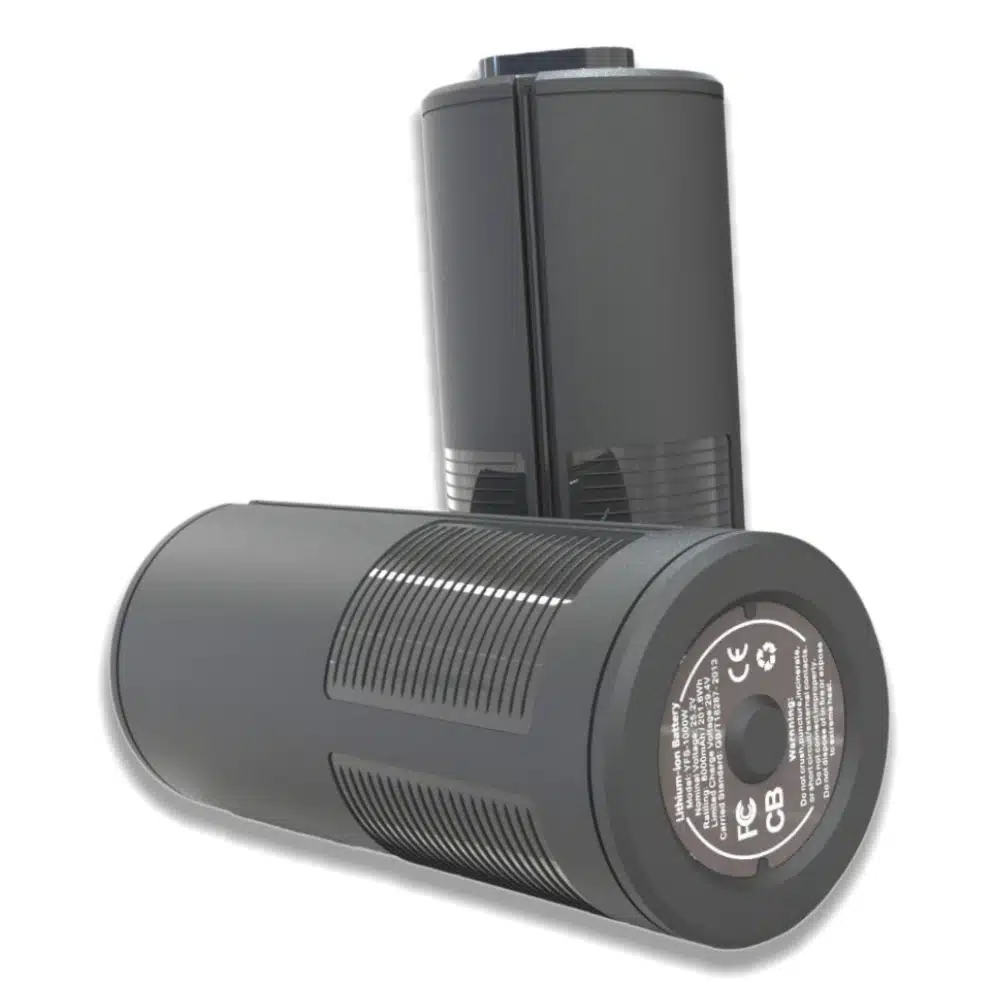
El proceso de fabricación de Tesla se refiere a la disciplina de producción desarrollada para la fabricación de celdas de vehículos eléctricos en grandes volúmenes, aplicada aquí a cada celda de este paquete. Sus características principales son un estricto control de tolerancia en la uniformidad del recubrimiento del electrodo, una precisión en el volumen de llenado del electrolito y un ciclo de formación controlado: la secuencia inicial de carga y descarga que establece la capa SEI en el ánodo y determina el comportamiento de retención de capacidad a largo plazo de la celda. El resultado práctico es una uniformidad de la resistencia interna entre celdas significativamente mayor que la de la producción industrial estándar. Con una descarga continua de 200 A en una cadena de celdas en paralelo, la variación de la resistencia interna entre celdas determina directamente la distribución de corriente: las celdas de alta resistencia transportan menos corriente y son reemplazadas por celdas vecinas de menor resistencia, lo que crea una concentración térmica localizada que acelera la degradación en las celdas que absorben la carga desequilibrada. Una mayor coincidencia de resistencias en la etapa de producción de la celda, antes del ensamblaje del paquete, reduce este desequilibrio en la fuente en lugar de depender del BMS para compensarlo.
P3: ¿Qué rango de profundidad está disponible para la personalización OEM y cuál es la cantidad mínima de pedido?
El rango de profundidad personalizable para este paquete cubre de 1000 a 5000 metros. La especificación de profundidad es un dato de entrada del proyecto que determina el grosor de la pared de la carcasa, la selección de materiales, la geometría de la ranura de la junta tórica y la especificación del compuesto de sellado; parámetros que se definen en la etapa de propuesta de ingeniería en lugar de seleccionarse de un menú fijo. Los pedidos de validación de prototipos que utilizan herramientas de carcasa existentes se realizan en lotes de 10 a 20 unidades. Los proyectos que requieren herramientas de carcasa nuevas para una geometría de chasis no estándar implican una discusión sobre el costo y el tiempo de entrega de las herramientas en la etapa de propuesta. La personalización completa del fabricante de equipos originales (OEM) abarca el voltaje, la capacidad, la profundidad declarada y la duración de la inmersión, las dimensiones externas de la carcasa, el tipo de conector y la asignación de pines, y el protocolo de comunicación del sistema de gestión de baterías (BMS). Envíe su perfil de profundidad de misión, las dimensiones del chasis del vehículo y la especificación del sistema de alimentación, y le enviaremos una propuesta técnica en un plazo de 48 horas.
P4: ¿Cómo se comunica el BMS con el sistema de control del AUV y qué datos de telemetría están disponibles?
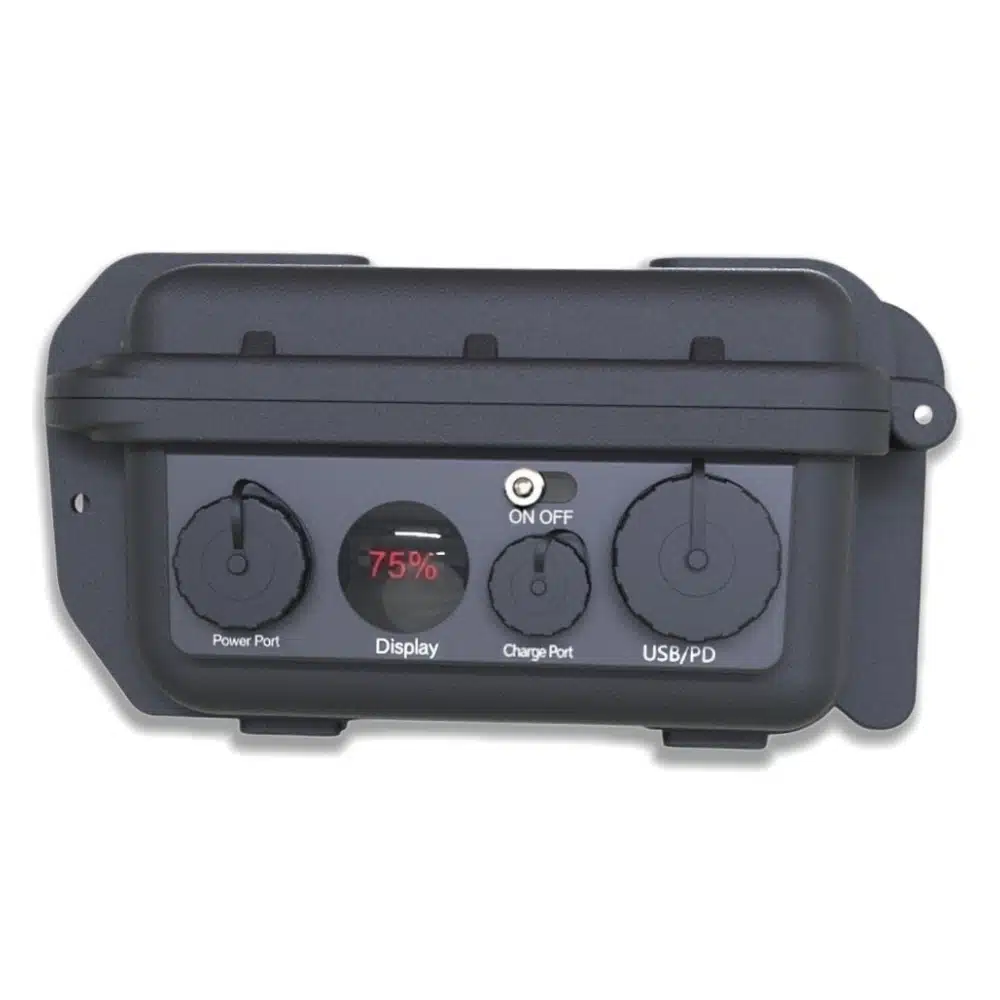
El BMS de este paquete admite protocolos de comunicación configurables (UART, RS485, CAN Bus y SMBus) para adaptarse a la arquitectura de comunicación del AUV o plataforma robótica de destino. La telemetría disponible incluye voltaje del paquete, voltaje a nivel de celda, estimación del estado de carga, corriente de descarga, temperatura del paquete e indicadores de estado de falla. El formato de trama de datos, la velocidad de transmisión y la variante de protocolo específicos se configuran para coincidir con el sistema de gestión de energía de su vehículo durante la configuración del programa del fabricante. Para programas de AUV con integración de gestión de batería existente, proporcione la especificación de comunicación del BMS de la documentación de su vehículo y configuraremos el firmware del paquete para que genere un flujo de datos compatible. Para nuevos diseños de vehículos, podemos asesorarle sobre la selección del protocolo en función de la arquitectura de su sistema de control.
P5: ¿Cuál es el peso y las dimensiones de este paquete, y cómo se gestiona la flotabilidad en el chasis de un vehículo submarino autónomo (AUV)?
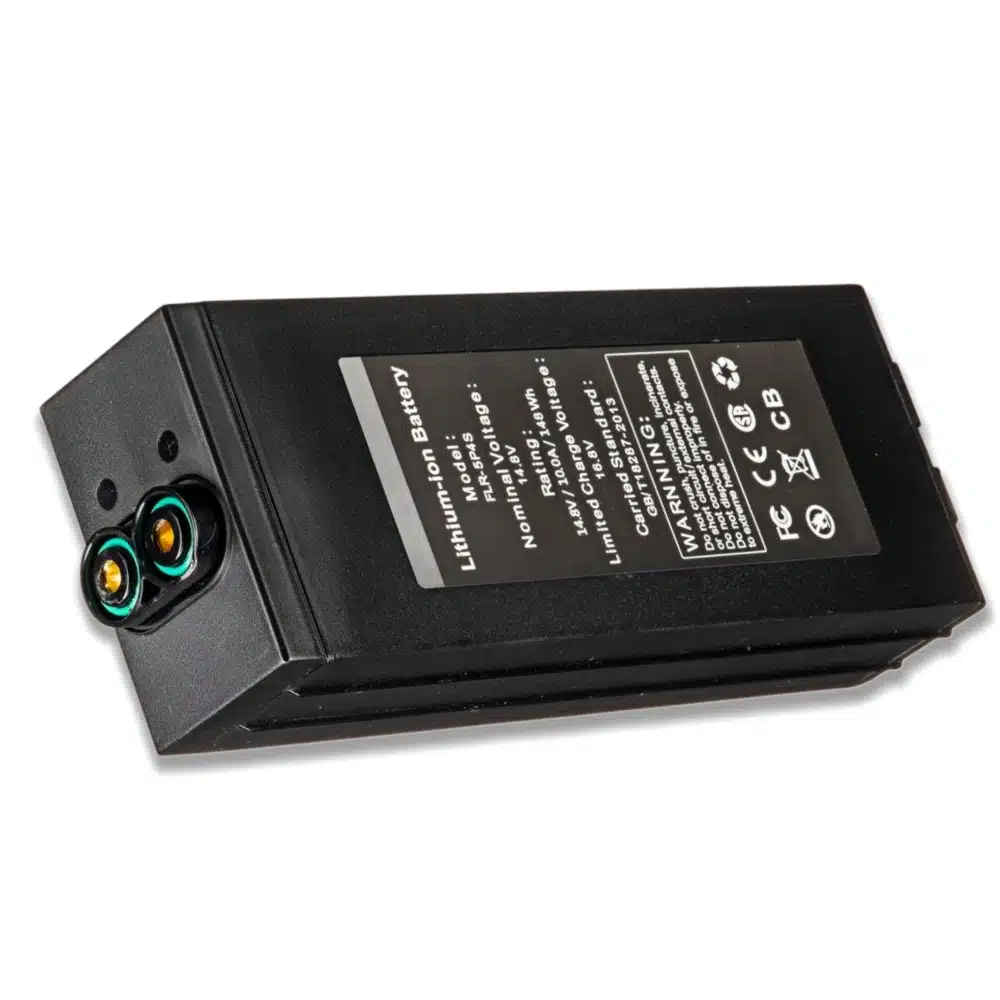
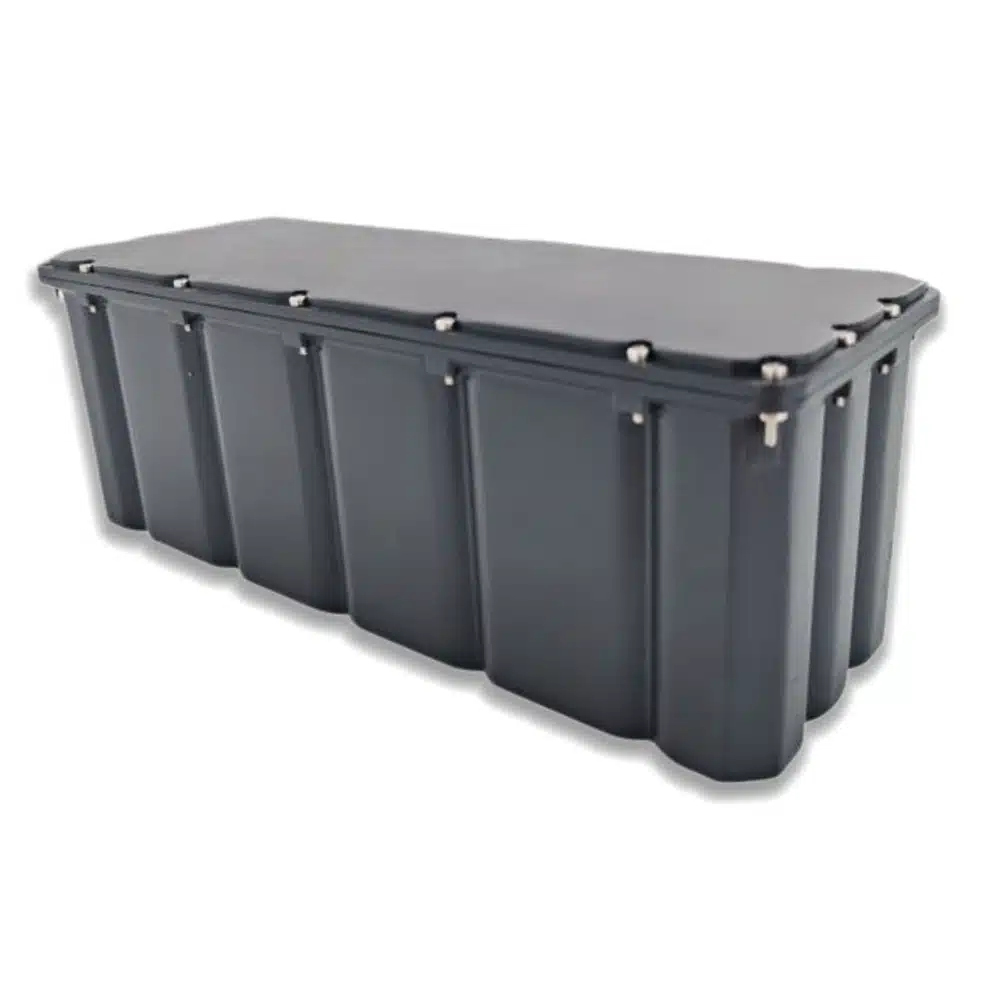
Las dimensiones y el peso exactos dependen de las especificaciones finales de la carcasa: el grosor de la pared varía según la clasificación de profundidad declarada, y la configuración de las celdas determina el volumen interno. Como referencia, un paquete de iones de litio de 48 V, 100 Ah y 5 kWh en una carcasa de aleación de aluminio con una clasificación de 1000 metros suele pesar entre 18 y 25 kg, según el tipo y la configuración de las celdas; las opciones de carcasas de titanio para clasificaciones de mayor profundidad añaden peso al material en contra de la mejora en el rendimiento de profundidad. La contribución a la flotabilidad se determina mediante la relación entre la masa del paquete y el volumen de agua desplazado. Para la integración en vehículos submarinos autónomos (AUV), podemos proporcionar el volumen de desplazamiento de la carcasa junto con la cifra de masa para que su equipo de diseño del vehículo pueda calcular el efecto de flotabilidad neto dentro del chasis. Si el diseño de su vehículo requiere un objetivo de flotabilidad neutra específico, especifíquelo en la etapa de consulta y podemos analizar las opciones de material y geometría de la carcasa que acerquen el paquete al perfil de flotabilidad objetivo.
P6: ¿Qué certificaciones y documentación de exportación están disponibles para los programas de contratación pública de instituciones de investigación y del gobierno?
La certificación de transporte UN38.3 se incluye de serie y abarca todas las pruebas de baterías de litio requeridas para la clasificación de carga IATA, IMDG y ADR/RID. La certificación CE, conforme a la Directiva de Baja Tensión y el Reglamento de Baterías de la UE, está disponible para la adquisición en el mercado europeo. La documentación de cumplimiento RoHS está disponible para las declaraciones de sustancias restringidas. Para programas de adquisición de instituciones de investigación y gobiernos que requieran documentación adicional (declaraciones de materiales, certificados de país de origen, informes de pruebas para normas de seguridad específicas o documentación formateada para el cumplimiento de la normativa de contratación institucional), estos aspectos pueden tratarse en la fase de propuesta. Proporcionamos paquetes completos de documentación de pruebas estructurados para su inclusión en los expedientes técnicos de contratación y en las presentaciones regulatorias posteriores. Para programas con consideraciones específicas de seguridad nacional o control de exportaciones de doble uso, los compradores deben verificar las clasificaciones de control de exportaciones aplicables a los sistemas de baterías de litio de alta capacidad en su jurisdicción antes de completar la adquisición.