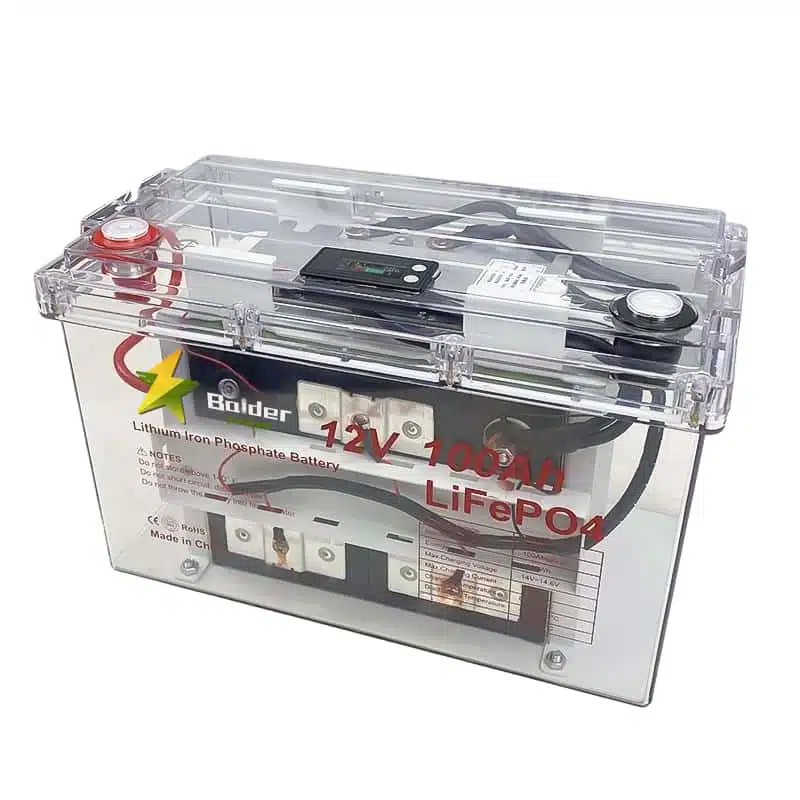
51.2V 314Ah 16kWh LiFePO4 Floor-Standing Battery — Manufacturer Direct Supply for Distributor & EPC Orders

  • System voltage: 51.2V nominal (16S1P), operating range 40–58V

  • Rated capacity: 314Ah / 16.07kWh nominal

  • Active cell balancing: 2A balancing current, activates at 3.35V/cell threshold

  • Wireless monitoring: Bluetooth + WiFi dual link, iOS & Android app support

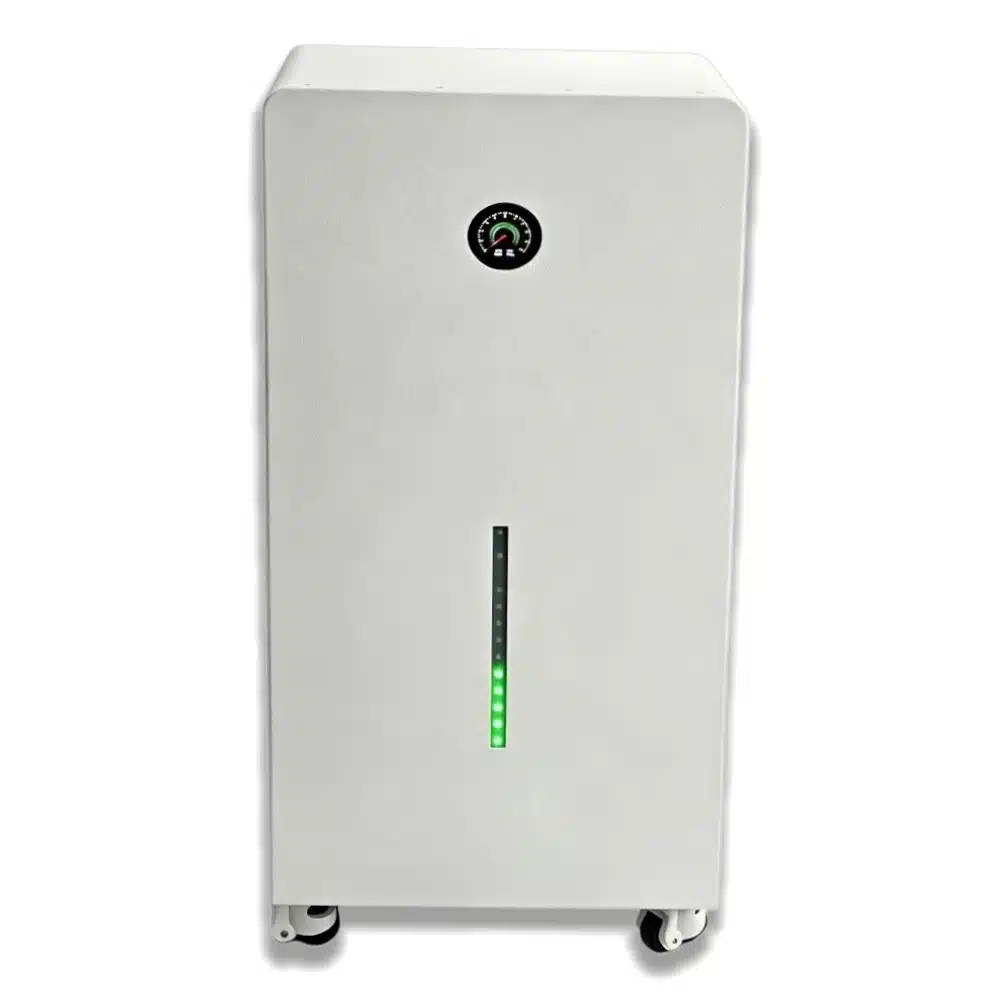
  • Front-panel LED strip for at-a-glance SoC status without app access

  • Communication: RS485 / RS232 / CANbus triple-protocol BMS, DIP address 1–15

  • Output: M8 copper terminal (P+/P–), 200A continuous, 500μs short-circuit trip at 1200A

  • Cycle life: 6000+ cycles at 0.5C standard rate

  • Certifications: CE, IEC62619, CB, UN38.3, MSDS

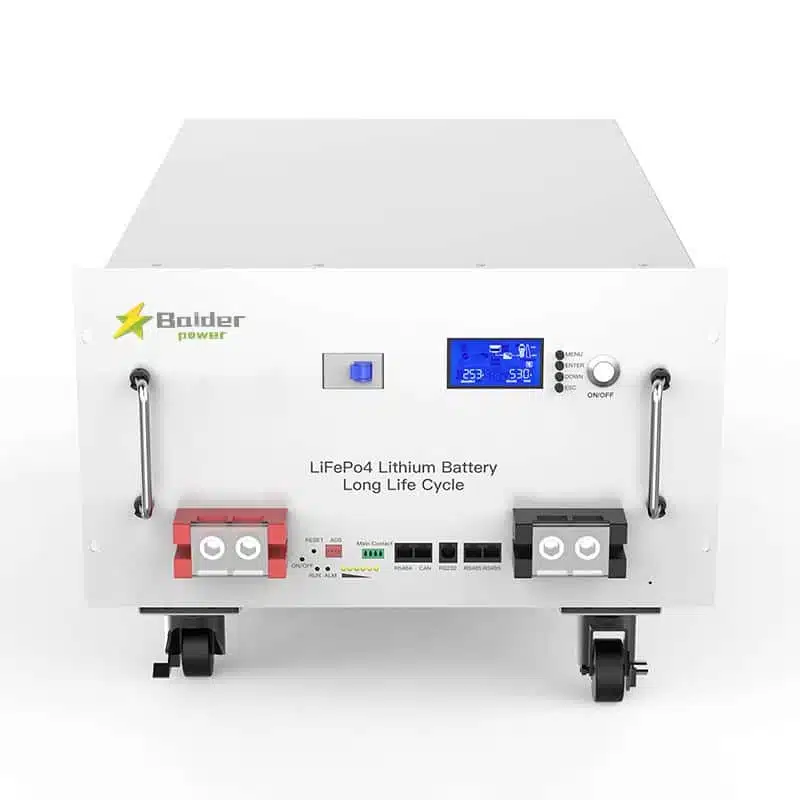
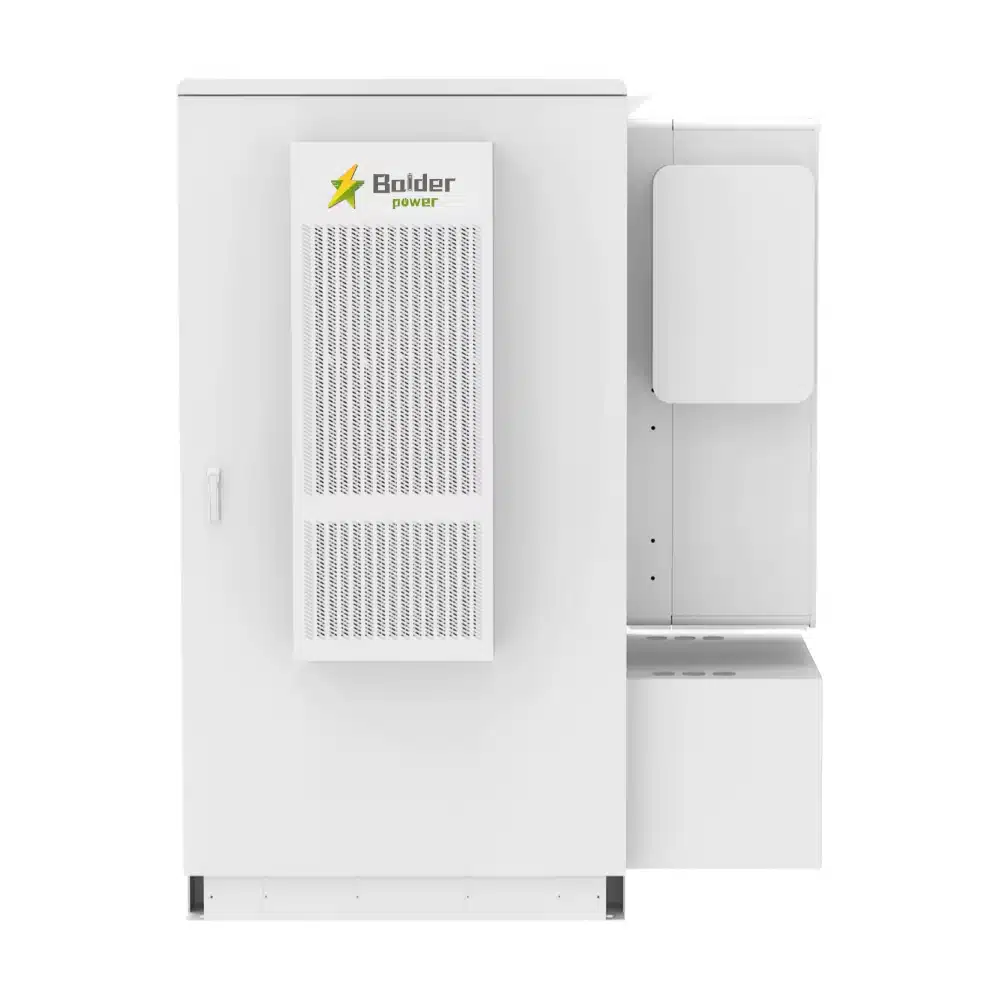
  • Cabinet: 910 × 450 × 260mm | ~115kg | Wheels included for positioning

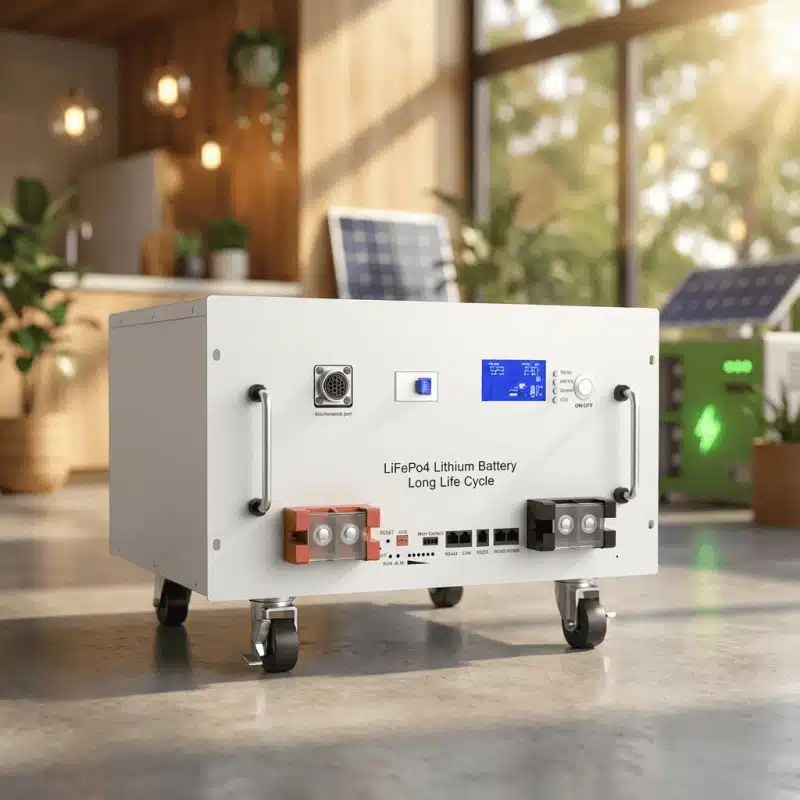
  • Suited for residential solar self-consumption, villa backup power, small commercial loads, off-grid farm sites, and telecom room energy storage

  • Factory-direct wholesale supply for distributor stock and EPC project orders

Product Description

Across residential solar markets in Europe, Southeast Asia, and Latin America, time-of-use tariff structures are shifting the core value proposition of home battery storage away from capacity alone and toward reliability of delivery across the full service life. A 16kWh battery that holds 90% of its rated capacity after three years of daily cycling is worth more to the homeowner than a 16kWh unit that degrades to 80% after 18 months because cell-to-cell voltage drift went uncorrected. The BP16314 is a 51.2V 314Ah LiFePO4 floor-standing battery designed with this long-view in mind, pairing a 2A active balancing circuit with wireless remote monitoring so that cell-level health is tracked and corrected continuously — not discovered late during a service call. It suits daily solar self-consumption across residences, villas, and small commercial premises equally well, and operates reliably in off-grid farm installations and telecom room environments where a degraded pack cannot simply be swapped out on short notice.

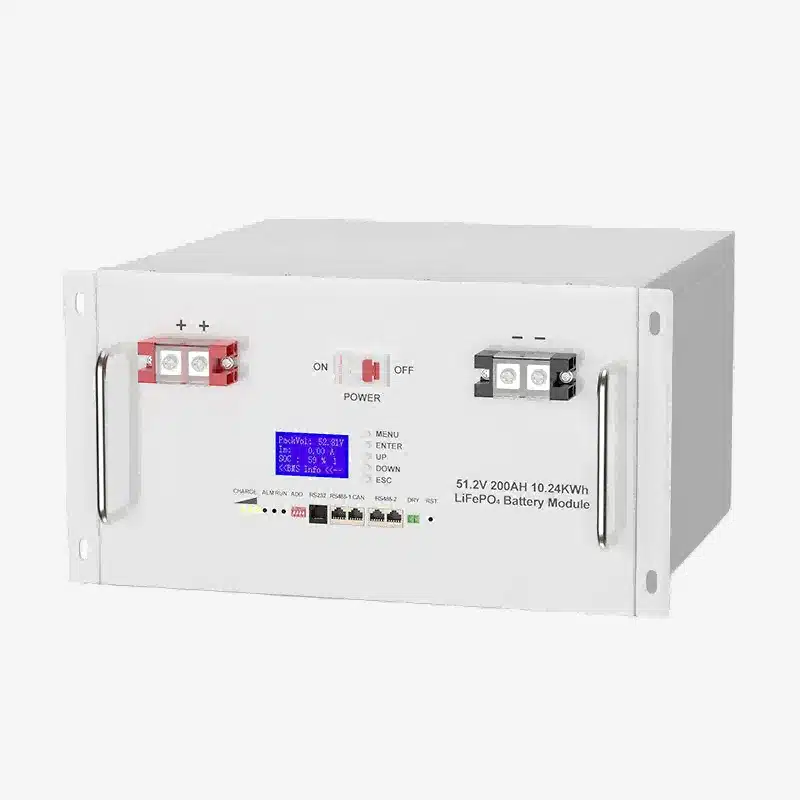
The 16S1P prismatic cell stack is governed by a 200A BMS carrying RS485, RS232, and CANbus ports on the front panel, which hands the BP16314 a direct communication path into Deye, Growatt, Sol-Ark, Victron, and the broader field of mainstream hybrid inverter platforms without any intermediate adapter. Parallel to the inverter data link, the BMS streams live SoC, pack voltage, current, and temperature readings over both Bluetooth and WiFi at the same time — meaning the homeowner’s app, the installer’s remote session, and the inverter display all draw from the same live BMS data concurrently rather than one blocking another. A front-panel LED strip adds a third access point for SoC status: one that requires no device, no network, and no inverter menu — a practical reference during warehouse receiving checks, installation staging, and any on-site maintenance where pulling out a phone or navigating an inverter display adds unnecessary steps.

For distributors running installer networks across multiple sites, the BP16314’s combination of wireless remote access and DIP-selectable RS485 addressing (positions 1–15, position 0 reserved) changes the economics of after-sales support. When a site reports that the battery “isn’t holding a full charge,” the first diagnostic step is a remote review of the BMS balancing log rather than a scheduled site visit — the 2A active circuit leaves a correction trail that shows whether cell divergence has developed, how quickly, and whether it tracks a charging pattern issue or a cell-level change. At fleet scale, the difference between resolving a complaint remotely in 20 minutes and dispatching a technician for half a day is where per-unit margin on a battery like the BP16314 is actually preserved.


Technical Parameters

Parameter Specification
Battery Model BP16314 (BP16314-16S1P-51.2V 314A-1.0)
Chemistry LiFePO4 (Lithium Iron Phosphate)
System Voltage 51.2V nominal | Operating range: 40–58V
Rated Capacity (Ah) 314Ah typical / 310Ah minimum
Energy (kWh) ~16.07kWh nominal
Cell Configuration 16S1P (16 series, 1 parallel)
BMS Rating 16S 200A
Active Balancing 2A balancing current | Activates at 3.35V/cell threshold
Communication Protocol RS485 / RS232 / CANbus (three ports, front panel)
RS485 Address Range DIP-selectable 1–15 (address 0 reserved)
Wireless Monitoring Bluetooth + WiFi dual wireless | iOS & Android app
Local SoC Display Front-panel LED strip SoC indicator
Compatible Inverter Brands Deye, Growatt, Sol-Ark, Victron and other RS485/CAN hybrid inverters
Max Continuous Discharge Current 200A (limiting)
Discharge OC Protection 100±9A two-stage; 1200A short-circuit trip within 500μs
Max Charge Current 200A max; 100A standard (0.5C)
Charge Mode CC-CV (Constant Current – Constant Voltage)
Charge Cut-off Voltage 56–58V
Discharge Cut-off Voltage 40–44.8V
Cell Overcharge Protection 3.65 ± 0.025V (release: 3.45V)
Cell Over-discharge Protection 2.2 ± 0.1V (release: 2.4V)
Charge Temperature Range 0°C to 45°C
Discharge Temperature Range -20°C to 55°C
Storage Temperature 23 ± 2°C recommended | 45–75% RH
Cycle Life 6000+ cycles at 0.5C standard charge/discharge
Output Terminal M8 copper terminal (P+/P–); 200A fence through-type terminal
Air Switch 200A 1P internal air switch
Cabinet Construction Steel enclosure with wheels for positioning; φ16mm round soft switch
Certifications CE, IEC62619, CB, UN38.3, MSDS
Dimensions (W×D×H mm) 910 × 450 × 260mm
Weight (kg) ~115kg (including bracket)
Primary Application Residential and light-commercial floor-standing home energy storage
Supply Type Factory-direct wholesale supply for distributor stock and EPC project orders

Features & Advantages

✅ 🔌 Triple-Protocol BMS Communication — RS485, RS232, and CANbus on One Pack

The BP16314 BMS exposes RS485, RS232, and CANbus ports simultaneously on the front panel, giving installers a direct path into the communication bus of Deye, Growatt, Sol-Ark, Victron, and other hybrid inverter platforms without an external protocol converter. Each unit carries a DIP-switch for RS485 address selection (1–15; address 0 reserved), which is set before energizing the pack and must not duplicate another unit on the same bus. The BMS reports live SOC, pack voltage, current, and ambient temperature continuously across the active protocol, so inverter commissioning is confirmed by watching live data appear on the inverter display — not by assuming a powered connection is also a communicating one.

✅ ⚡ 200A Continuous Output with 500μs Short-Circuit Response

The 16S 200A BMS is rated for 200A continuous limiting current, with discharge over-current protection staged at 100±9A across two threshold levels before a 500-microsecond short-circuit trip at 1200A. Release from short-circuit protection requires a charge event rather than automatic retry, which prevents repeated fault cycling in wiring faults that haven’t been cleared. This staged protection topology — threshold-1 → threshold-2 → hard trip — is the same architecture used in grid-tied commercial packs because it distinguishes sustained overload from brief transient current, reducing nuisance trips on motor-start loads like HVAC compressors and well pumps without sacrificing fault isolation speed.
✅ 🧩 DIP-Addressable RS485 Parallel Architecture — Up to 15 Units per Bus

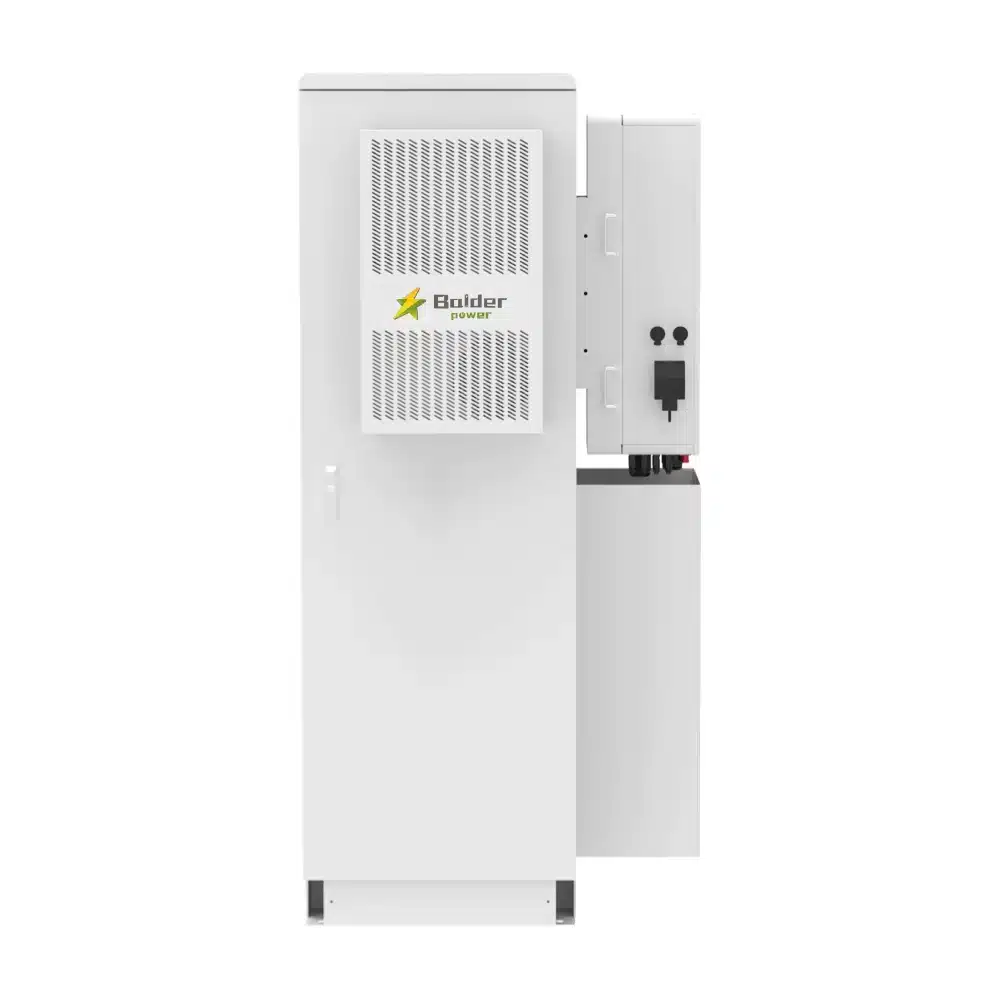
Up to 15 BP16314 units can share a single RS485 communication bus using the front-panel DIP address switch, scaling from one 16kWh residential pack to a 240kWh+ light-commercial array on a single 51.2V battery bank. All units in a parallel string operate within a consistent voltage window — 40–44.8V discharge cut-off, 56–58V charge ceiling — so pack-to-pack voltage mismatch at energization is bounded by the shared BMS threshold rather than left to passive cell chemistry. For distributors, this means a single SKU and a single wiring diagram covers residential through small commercial deployments, which simplifies installer training and reduces per-site ordering errors.
Packing & Delivery

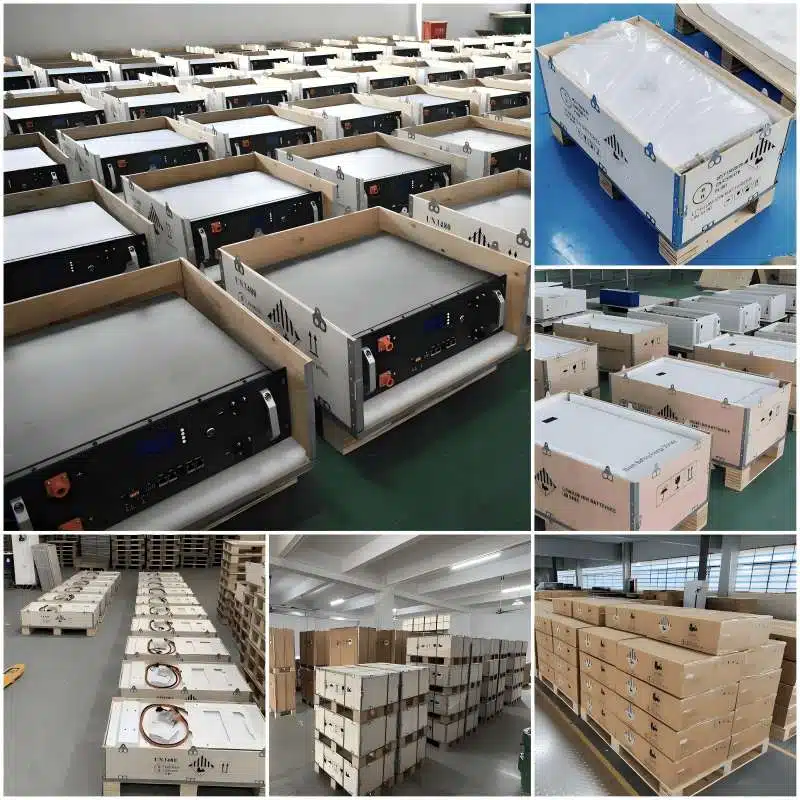
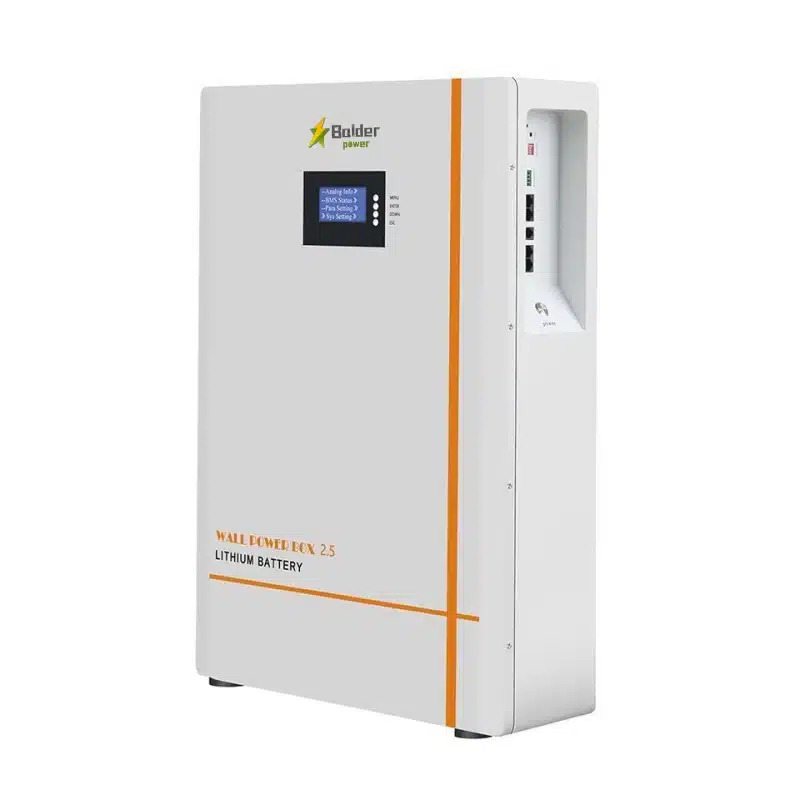
UN3480 compliant wooden box packaging for Balder Power LiFePO4 energy storage batteries. Reinforced export packing with Class 9 Dangerous Goods labels for sea freight.

Secure & Compliant Packaging

To ensure safe transit for Class 9 Dangerous Goods, every battery is protected with high-quality Pearl Wool (EPE Foam) and encased in UN-certified cartons. For bulk shipments, we utilize sturdy Plywood or Plastic Pallets wrapped in shrink film, fully compliant with international shipping regulations.

Global Shipping Options (Incoterms)

We support flexible shipping terms to suit your business needs, including FOB, CIF, and DDP (Door-to-Door including tax).

  • By Sea: The most economical choice for bulk orders.
  • By Air / Express: Fast delivery for samples (DHL/UPS/FedEx).
  • By Railway: Reliable CR Express service for European and Central Asian markets.

Production Lead Time

Our lead time varies based on product customization:

Product Type Samples Bulk Order
Standard Models 15 - 20 Days 25 - 30 Days
Customized Models 30 - 40 Days 30 - 40 Days

FAQ

Q1: Which inverters are confirmed compatible with the BP16314, and how do I select the correct protocol at commissioning?
The BP16314 BMS carries RS485, RS232, and CANbus ports, covering the communication bus used by Deye, Growatt, Sol-Ark, Victron, and other mainstream hybrid inverters. During commissioning, set the inverter’s lithium battery protocol to match the BP16314 BMS output mode — your inverter installation manual will list the available protocol options. Once connected, confirm a live handshake by checking that the inverter display populates real-time SOC, pack voltage, and current values rather than a static or zero reading.

Q2: The inverter shows “battery connected” but SOC is stuck at 0% or doesn’t update — what’s causing this?
This is almost always a protocol mismatch, wiring polarity error, or reserved address conflict rather than a hardware fault. Check three things in order: first, confirm the inverter protocol setting matches the BMS communication mode; second, verify RS485 A/B lines or CAN-H/CAN-L polarity aren’t reversed at the cable connector; third, check that the DIP address switch on the battery is not set to position 0, since address 0 is reserved on this BMS and will not respond on the bus.

Q3: What is the container-load pricing structure, and can I order a sample unit before committing to a full shipment?
Sample units are available for evaluation before a container-load commitment, with shorter lead times than a full production run since they draw from existing or near-ready stock. Container-load pricing is volume-tiered — contact us with your target quantity and delivery port for a current ex-works and CIF price breakdown. OEM labeling is available from confirmed minimum volumes.

Q4: What are the physical installation requirements for the BP16314 in a residential setting?
The cabinet measures 910×450×260mm and weighs approximately 115kg with bracket. It ships with wheels for positioning during installation — once the final location is confirmed, the unit is stabilized via the mounting bracket. Plan floor clearance around the front panel for access to the RS485/RS232/CAN ports, DIP address switch, φ16mm soft power switch, and the 200A air switch. The 200A fence through-type terminal and M8 copper output terminals (P+/P–) are also front-accessible, so keep 400–500mm of working clearance in front of the unit.

Q5: How many BP16314 units can I parallel together, and what’s the maximum system capacity in one 51.2V bank?
Up to 15 units can be connected in parallel on one RS485 communication bus, using DIP address positions 1–15 (address 0 is reserved and must not be used). Each unit contributes approximately 16.07kWh, giving a maximum bank capacity of around 240kWh at the 51.2V nominal level. All paralleled units must share the same charge/discharge voltage window — 56–58V charge ceiling, 40–44.8V discharge cut-off — so confirm your inverter’s battery bank voltage settings match before energizing a multi-pack array.

Q6: How is cycle life validated for this battery, and what operating conditions support the 6000-cycle rating?
The 6000+ cycle figure is based on 0.5C standard charge/discharge cycling, which means charging at 100A and discharging at the equivalent rate against the 314Ah nominal capacity. Operating within the defined charge temperature window (0°C to 45°C) and discharge window (-20°C to 55°C), and avoiding sustained operation at the voltage cut-off boundaries, are the primary conditions that support this cycle life. Cycle life degrades faster when packs are held at full charge voltage for extended periods or operated repeatedly near the over-discharge cut-off — both are avoidable through inverter charge window settings.

Related Products

Scroll to Top
Get In Touch
For supports or any questions:

Phone/Whatsapp/Wechat:


+86 13712040916

WhHan, China

3rd Floor, Building 1, Phase III, International Enterprise Center,Guanggu Avenue, East Lake New Tech Zone, Wuhan City, Hubei Province, China