Residential Energy Storage Battery Manufacturer | LiFePO4 Home Solar Systems Wholesale

Balder Power is a factory-direct LiFePO4 residential energy storage battery manufacturer based in China, supplying distributors, solar installers, and EPC contractors across 30+ countries. Our residential battery systems — including wall-mounted, server rack, and stackable LiFePO4 packs — are built with Grade-A CATL/EVE cells, integrated BMS, and carry CE, IEC62133, and UN38.3 certifications. MOQ-friendly pricing and OEM/ODM labeling available for bulk orders.

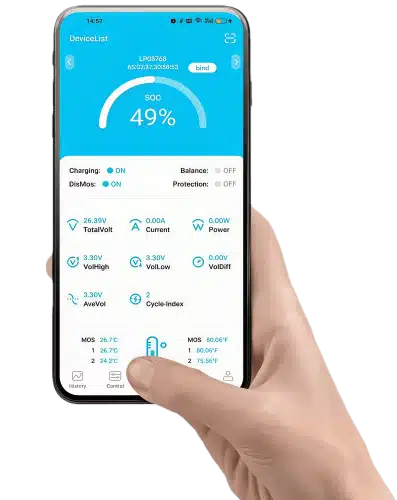
APP Monitor

Download on the App Store and Get it on Google Play buttons
Smart battery monitoring mobile app showing real-time LiFePO4 battery status

Unmatched Performance and Reliability with Balder Power

Long Battery Lifespan

Our batteries last up to 10,000 cycles, offering 5 times longer life than traditional lead-acid batteries, reducing the need for frequent replacements.

Reliable Performance in All Conditions

Engineered to work efficiently in both hot and cold climates, our batteries ensure consistent power in all weather conditions.

High Energy Efficiency

With higher energy density, our batteries store more energy in a compact size, helping you save on electricity bills and rely less on the grid.

Fast Charging and Discharging

 High-rate charging and discharging capabilities ensure minimal downtime and robust support for high-demand peak loads.

Scalable Solutions

Our modular systems are easy to expand, allowing you to increase energy storage as your needs grow.

Quality Assurance

Every battery undergoes strict quality control to ensure it meets the highest standards of reliability and performance.

Advanced Smart BMS

Our Smart Battery Management System (BMS) ensures real-time monitoring and protection, optimizing efficiency and enhancing safety.

Eco-Friendly and Sustainable

We use recyclable materials and sustainable manufacturing practices to minimize our environmental impact.

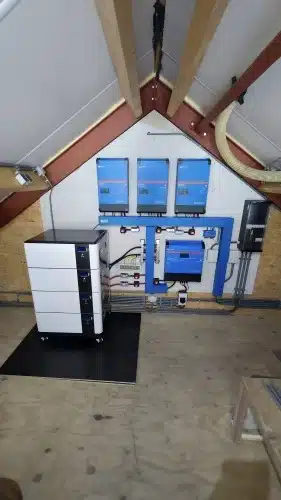
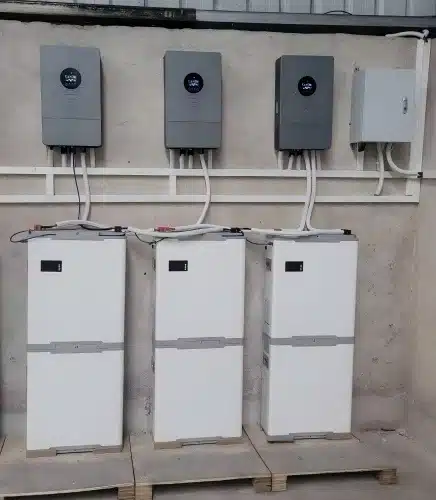
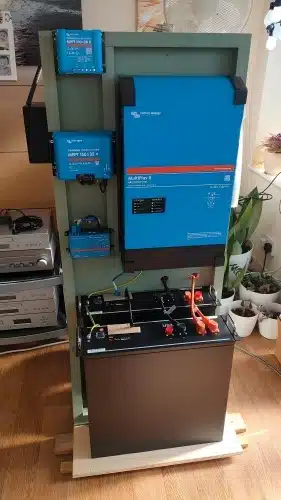
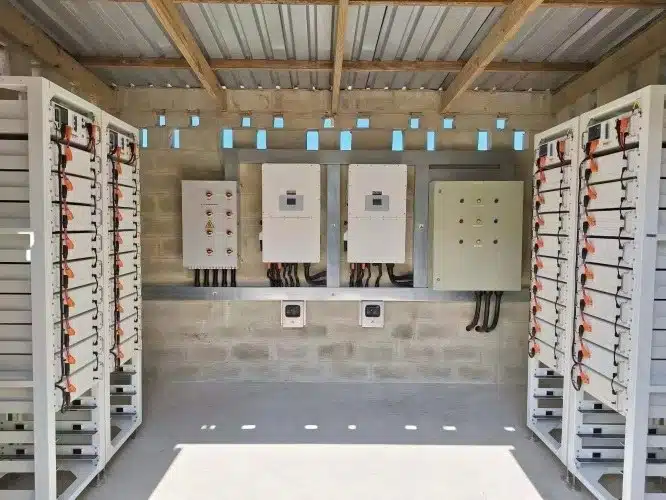
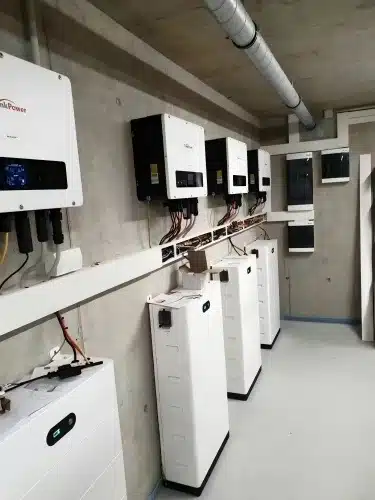
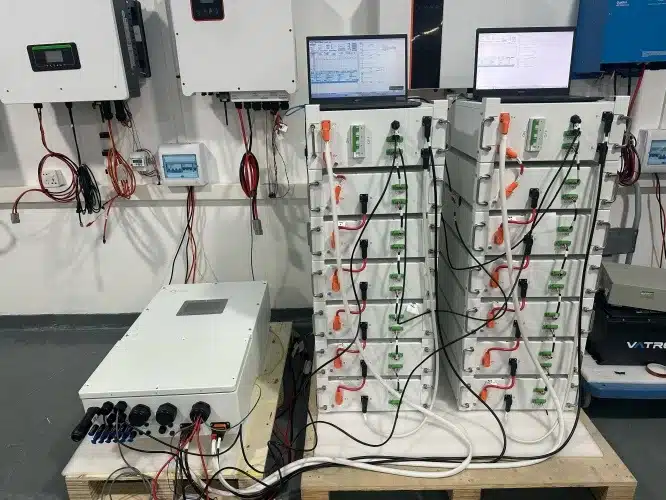
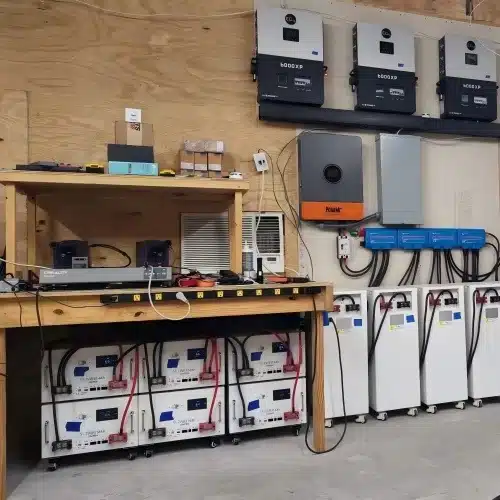
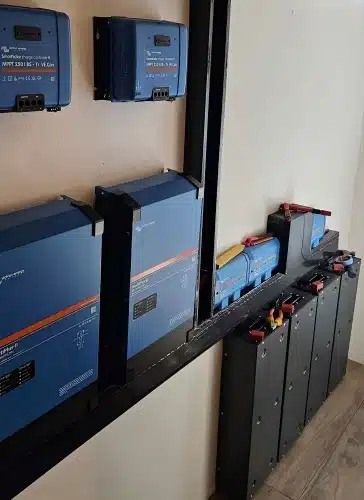
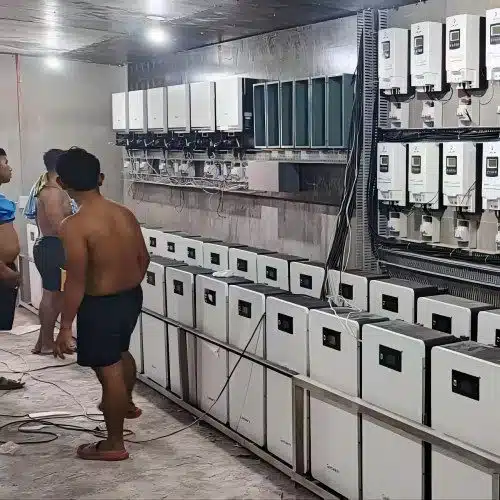
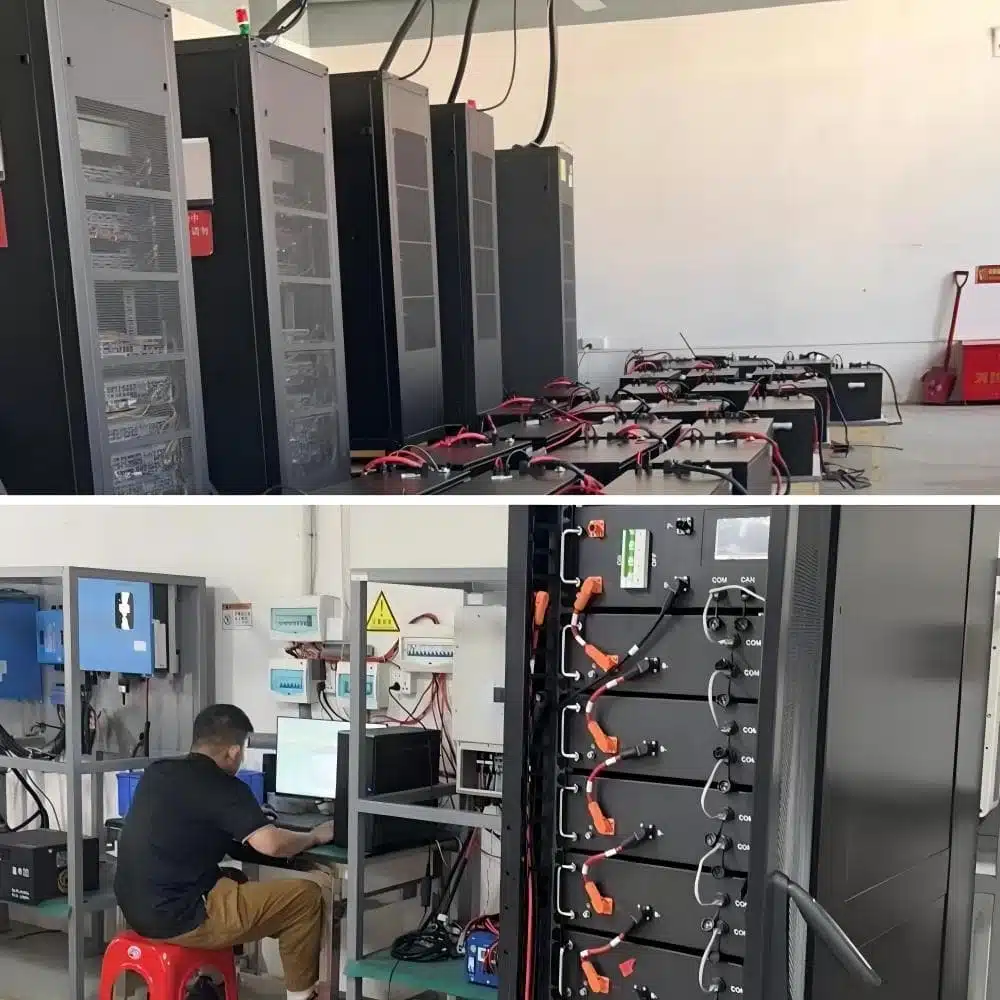
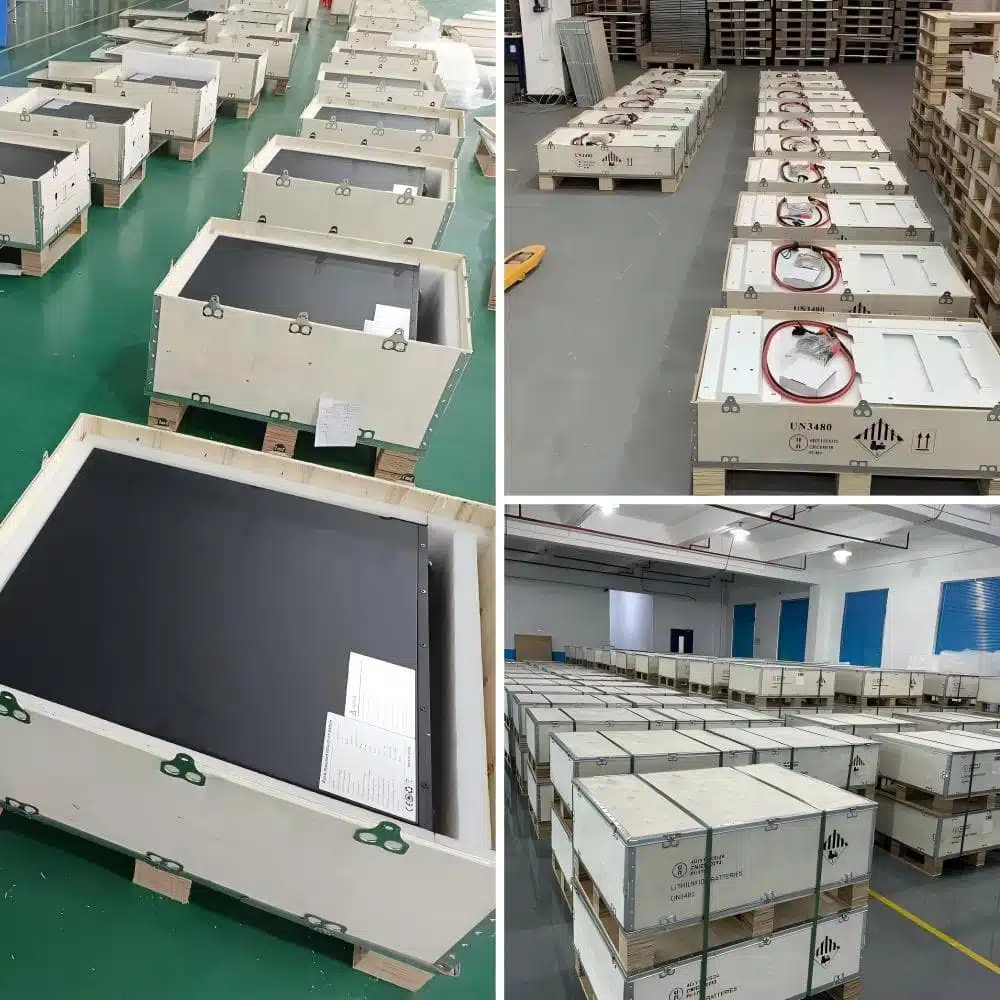
ESS Battery Successful Cases

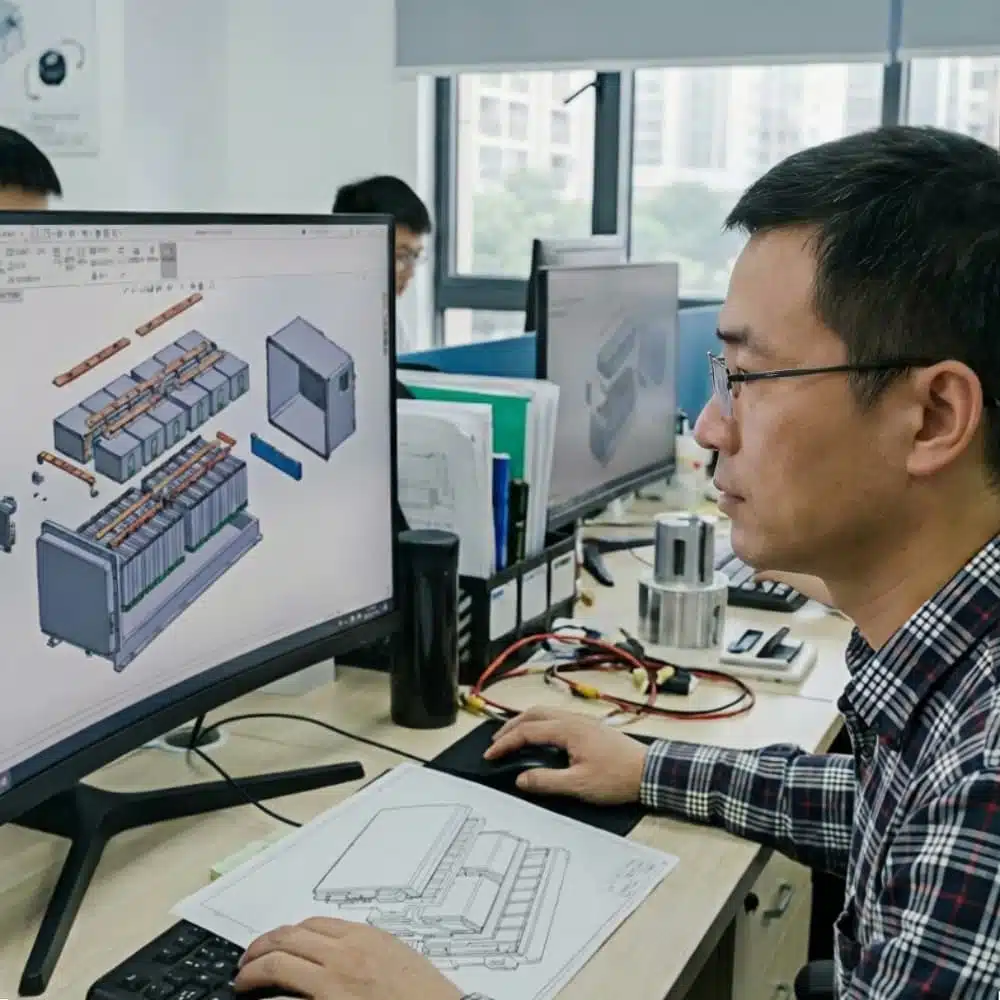
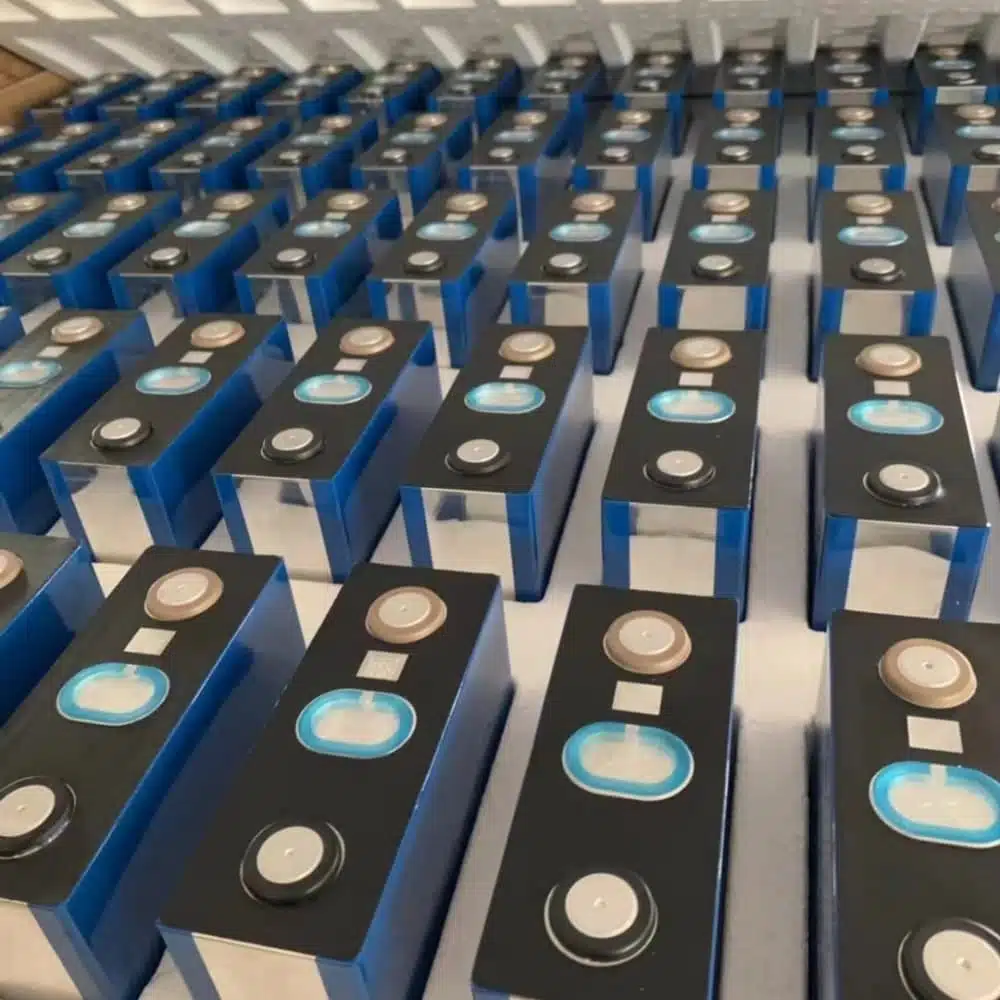
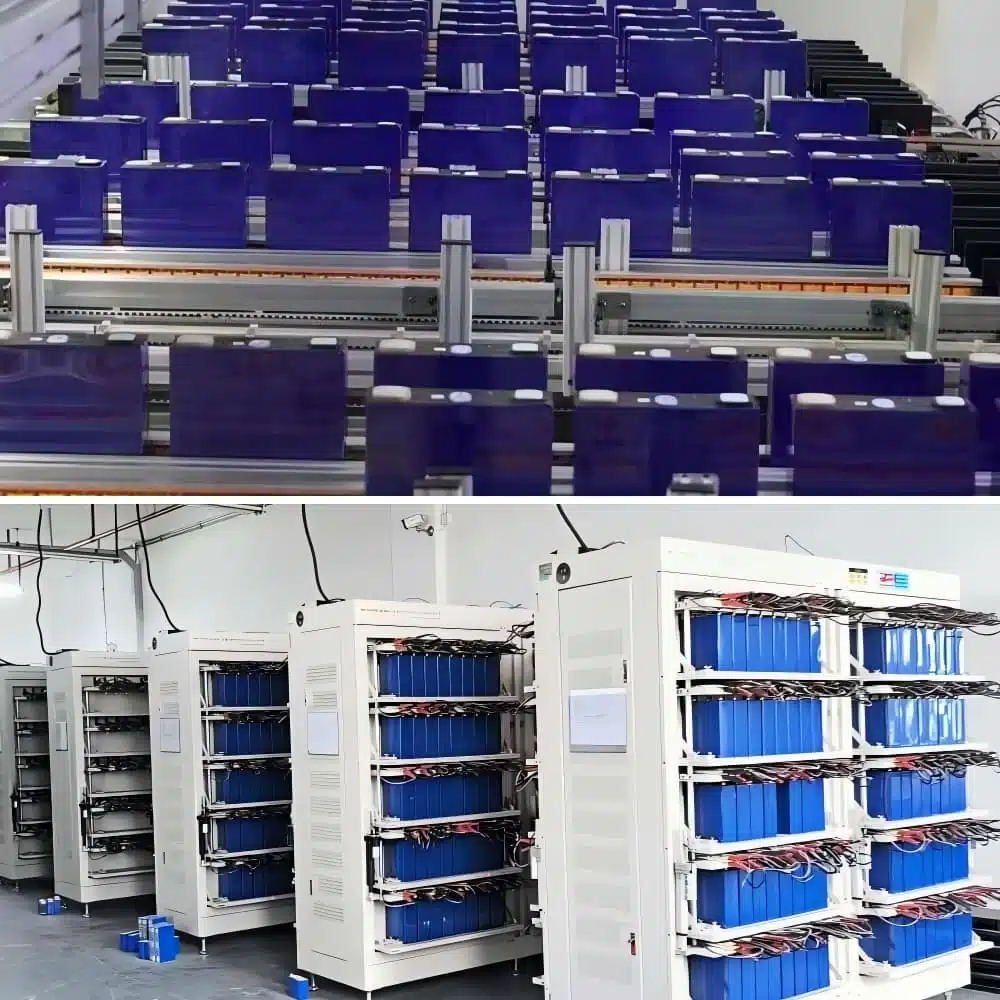
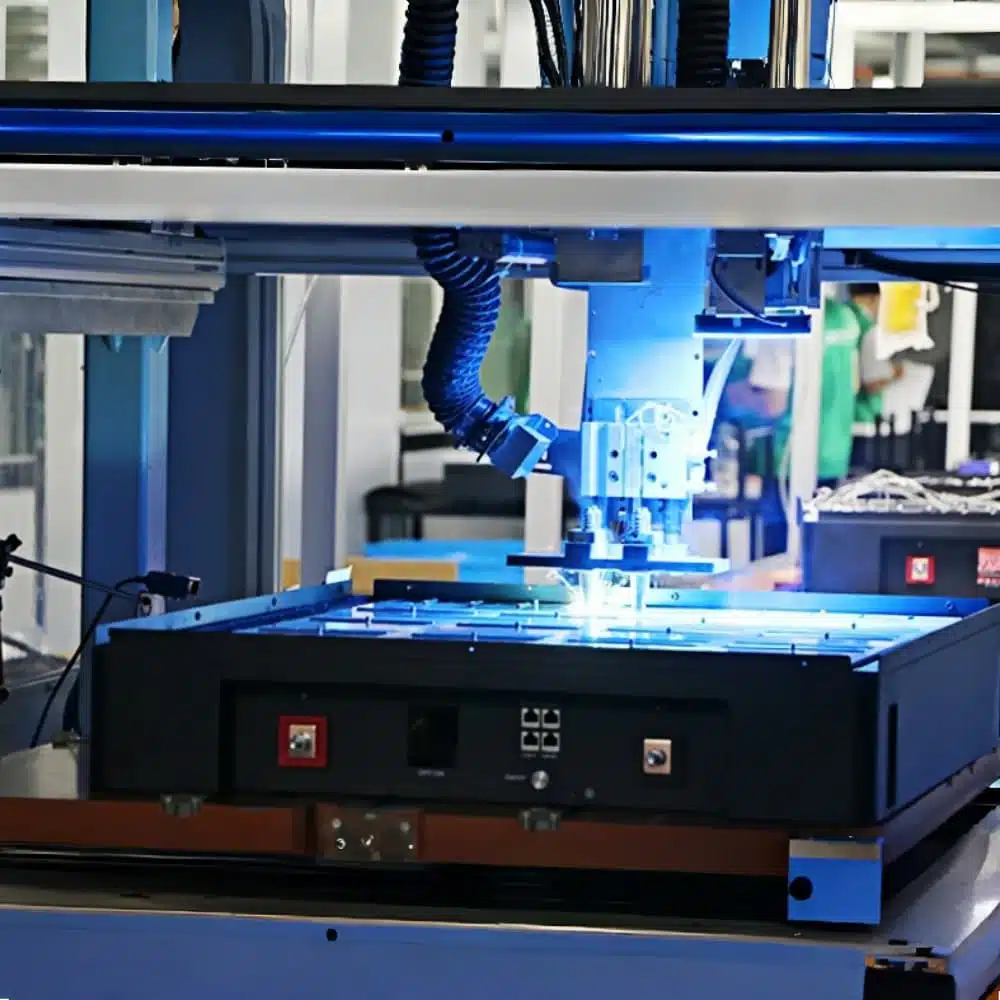
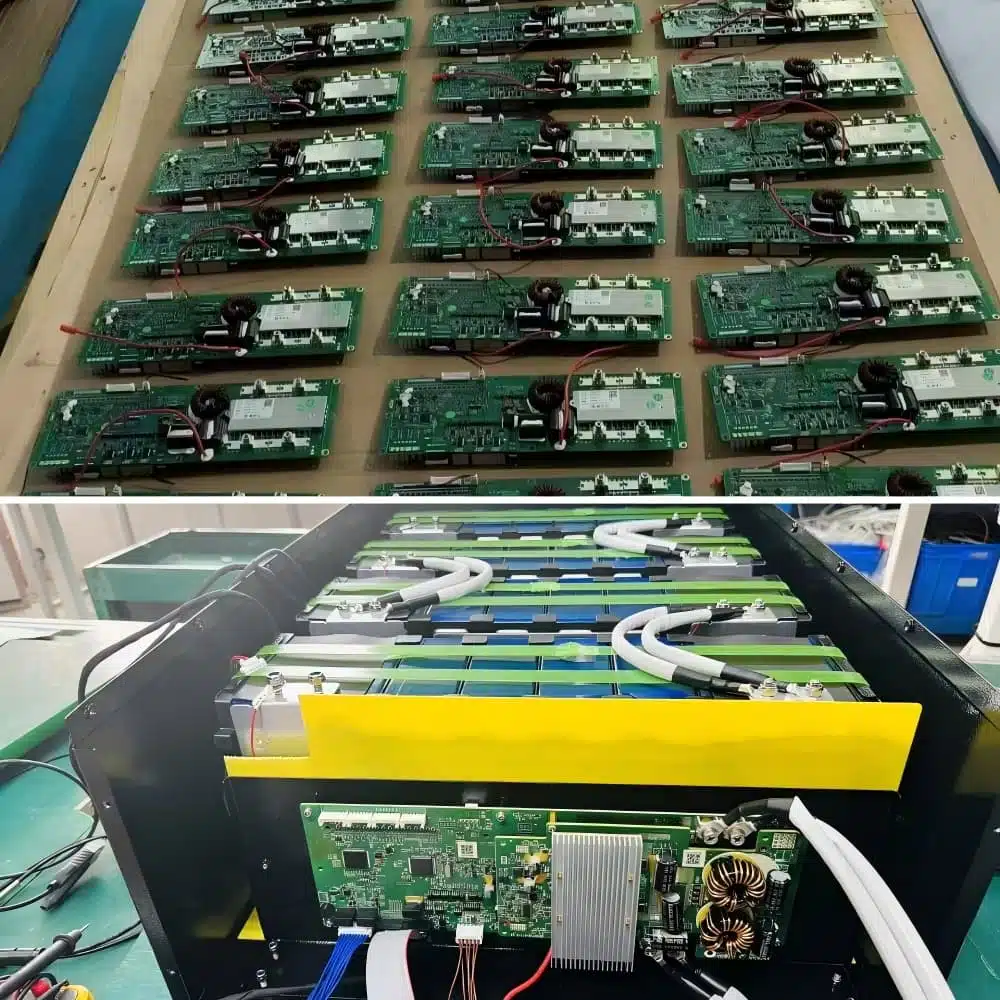
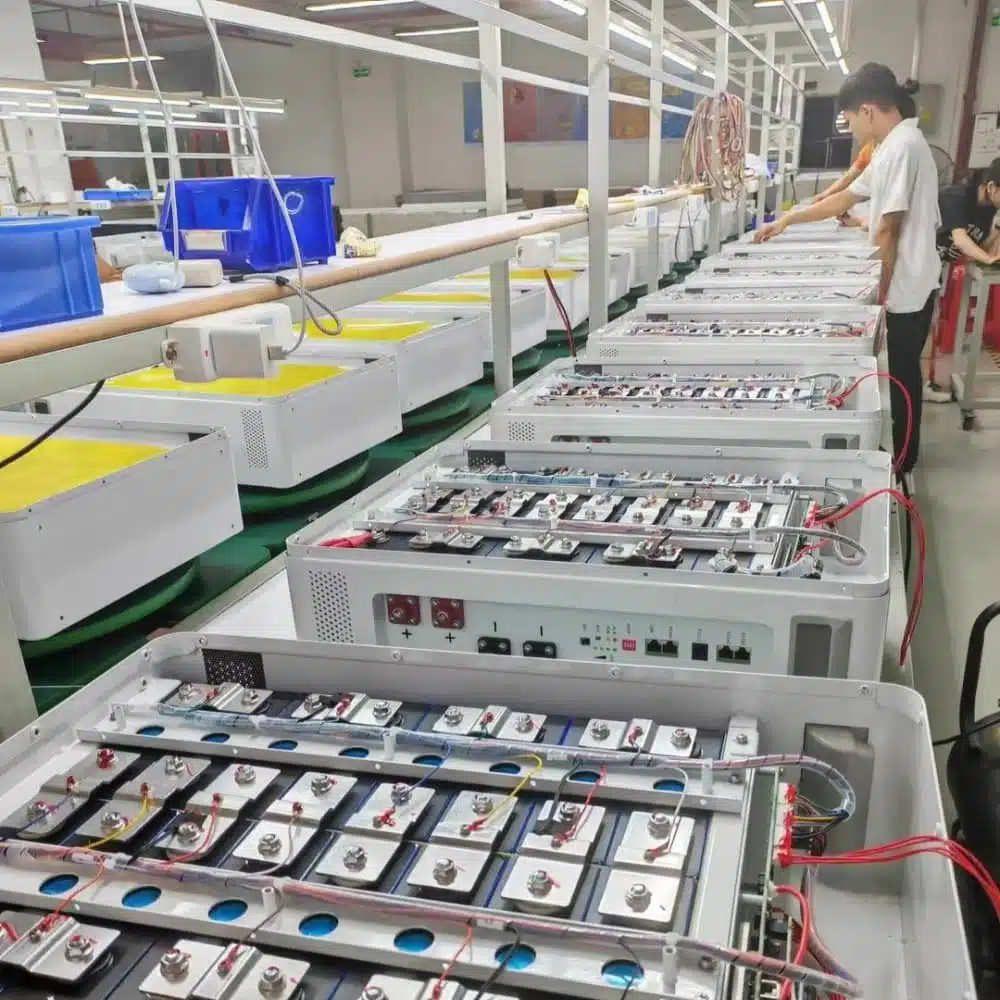
Precision Engineering: Our Energy Storage Battery Manufacturing Process

Quality is not just inspected; it is manufactured at every step. At Balder Power, we implement a rigorous LifePO4 production protocols that goes beyond industry standards. From automotive-grade cell sorting to 100% full-cycle aging tests, our transparent manufacturing process ensures every Energy Storage System (ESS) delivers maximum safety and longevity for your projects.

FAQs about Residential Home Energy Storage System Battery

1. What is a Residential Energy Storage System?

A residential energy storage system is a technology that stores electricity for use at a later time, typically through a battery system. These systems are designed to work seamlessly with home electrical infrastructure, often using lithium-ion batteries or similar advanced technologies. They can integrate with renewable energy sources such as solar panels, enabling homeowners to store excess energy during peak production times (e.g., midday) and use it when the sun isn't shining, or during grid outages. These systems provide backup power, reliability, and energy cost savings.

2. How Does a Residential Energy Storage System Work?

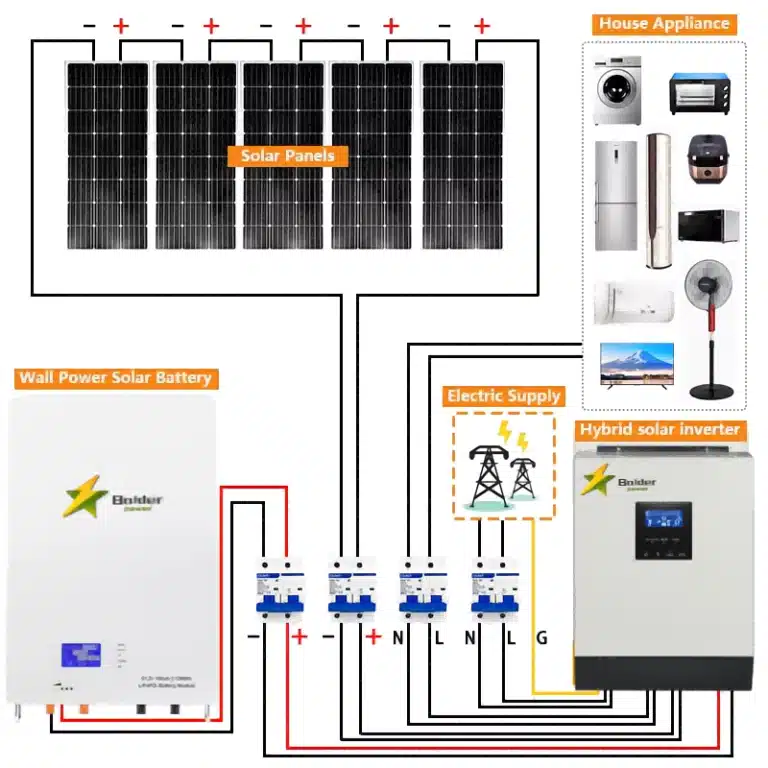
The system works by storing electricity generated from renewable sources like solar panels or wind turbines. Here’s how it works in steps:

  1. Energy Collection: Solar panels collect sunlight and generate DC electricity.

  2. Conversion to AC: An inverter converts DC electricity to AC electricity, which is used by household appliances.

  3. Storing the Energy: Excess energy is stored in batteries after conversion and is kept for later use.

  4. Discharge the Battery: When needed, the energy stored in the battery is converted back from DC to AC to supply electricity to the home.

This allows homeowners to use their stored energy even when the solar panels are not producing electricity, such as during nighttime or cloudy days.

3. What are the Different Types of Residential Energy Storage Systems?

Residential energy storage systems primarily rely on batteries for energy storage. The most common types include:

  • Lead-Acid Batteries

    • Pros: Affordable and proven over time.

    • Cons: Shorter lifespan and lower energy density compared to modern options.

  • Lithium-Ion Batteries

    • Pros: Higher energy density, long lifespan, and quick charging. Most commonly used for residential storage.

    • Cons: More expensive upfront costs, though prices are dropping.

  • Flow Batteries

    • Pros: Can be scaled easily and have long lifespans.

    • Cons: Lower energy density and more complex compared to lithium-ion batteries.

4. How Much Does a Residential Energy Storage System Cost?

The cost of a residential energy storage system varies based on several factors:

  • System Size and Capacity: Larger systems with more storage capacity generally cost more. Typical systems range from 4kWh to 15kWh.

  • Battery Type: Lithium-ion batteries tend to be pricier, though they offer better performance and longer lifespans compared to lead-acid batteries.

  • Additional Components: The system also requires an inverter, control systems, and installation hardware.

  • Installation Costs: These can vary depending on complexity and location, including electrical upgrades or additional components needed.

5. How Long Does a Home Battery Backup Last?

The lifespan of a home battery backup depends on its capacity and the load it is designed to support. For example:

  • A 20kWh battery can power a 2000W air conditioner for about 10 hours.

  • A 5kWh battery can support a 500W refrigerator for around 10 hours.

On average, lithium-ion batteries last 10+ years, depending on usage patterns, while lead-acid batteries typically last around 3-5 years.

6. How to Install a Solar Battery for Home?

Installing a solar battery system for your home is generally straightforward, with several options for setup:

  • Floor-Mounted Systems: These systems can be placed anywhere in the house and don’t require fixed installation.

  • Wall-Mounted Systems: Can be installed on any wall using a cross-shaped bracket for secure attachment.

  • Rack-Mounted Systems: These space-saving systems can be installed indoors, with batteries stacked layer by layer.

  • Stackable Lithium Batteries: Some systems support stacking, which allows for scalability to meet increasing power demands.

7. Is a Home Backup Battery System Worth It?

Home backup battery systems offer reliable, uninterrupted power and are environmentally friendly, with no emissions. They allow you to store electricity during off-peak hours and use it during peak times, reducing your electricity bills. If you live in an area with unreliable grid power or no grid connection at all, investing in a home battery backup system can ensure you have consistent power.

8. How to Choose the Right Solar Battery for Home?

When choosing a solar battery for your home, consider the following:

  • Battery Capacity: Look at the capacity, typically measured in Ah (Amp-hours) or kWh (kilowatt-hours). Depending on your needs, you may need a larger capacity.

  • Lifespan and Warranty: Batteries have different lifespans and warranties. Lithium-ion batteries offer long lifespans (up to 10+ years) and come with extended warranties, while lead-acid batteries have shorter lifespans and warranties.

  • Charging Time and Method: Consider how long it takes to charge the battery and whether it can be charged using solar panels, the main grid, or both.

  • Cost: Lithium-ion batteries are more expensive than lead-acid options but provide better quality, longer life, and higher energy density.

9. What Are the Benefits of Installing a Home Battery Backup System?
  • Power Reliability: Provides backup during grid outages, ensuring continued power supply for appliances.

  • Cost Saving: Reduces electricity bills by using stored energy during peak hours, and charging during off-peak times.

  • Energy Independence: Reduces reliance on the grid, especially when combined with solar panels for generating and storing energy.

  • Peace of Mind: Ensures you have power during emergencies, avoiding the worry of power cuts or outages.

Scroll to Top
Get In Touch
For supports or any questions:

Phone/Whatsapp/Wechat:


+86 13712040916

WhHan, China

3rd Floor, Building 1, Phase III, International Enterprise Center,Guanggu Avenue, East Lake New Tech Zone, Wuhan City, Hubei Province, China