







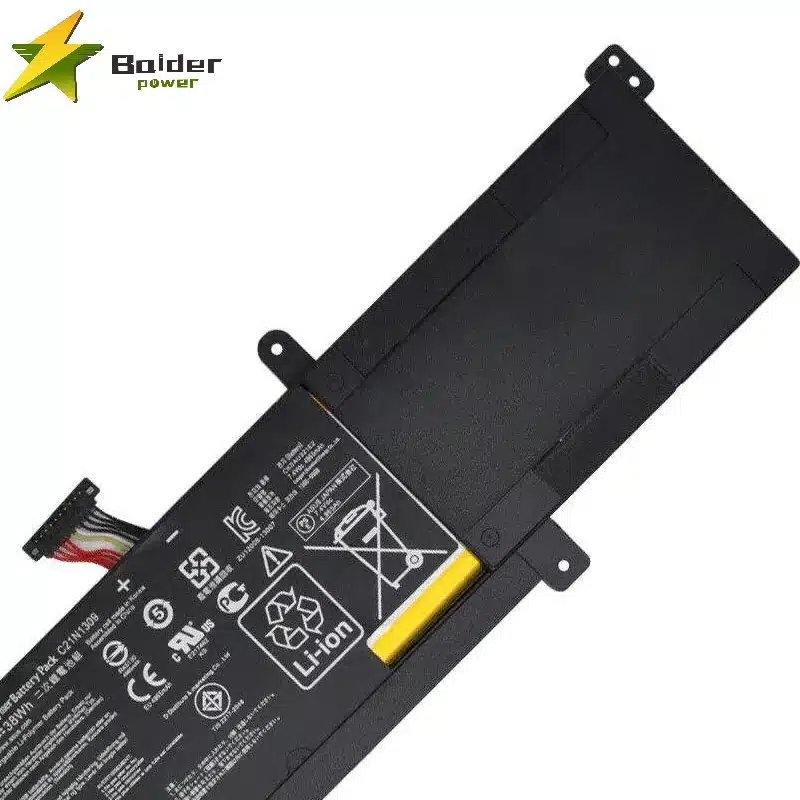
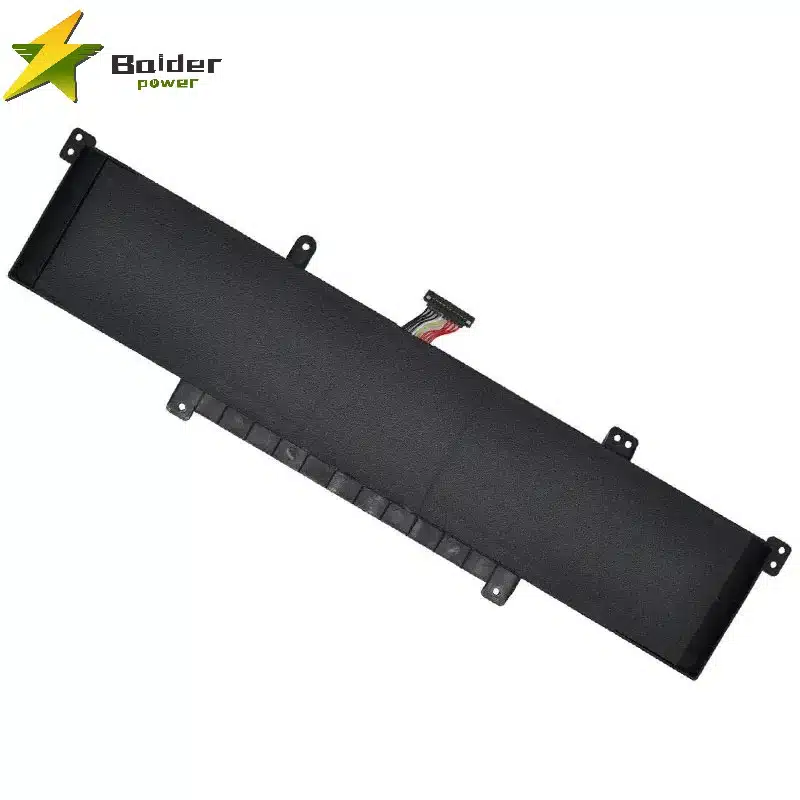
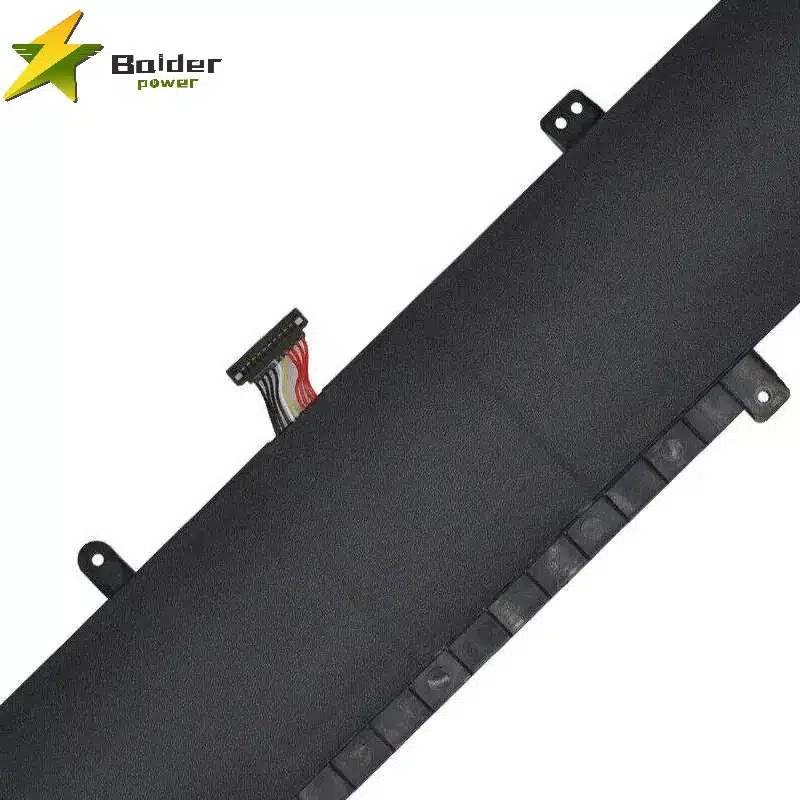
Q1: Is the C21N1309 compatible with both the Q301L and Q301LA?
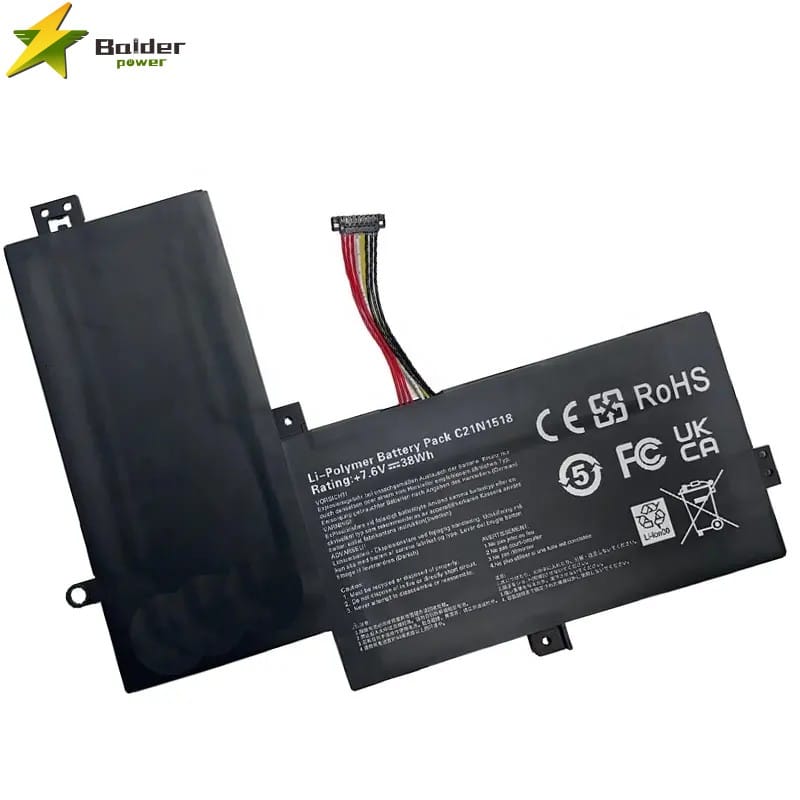
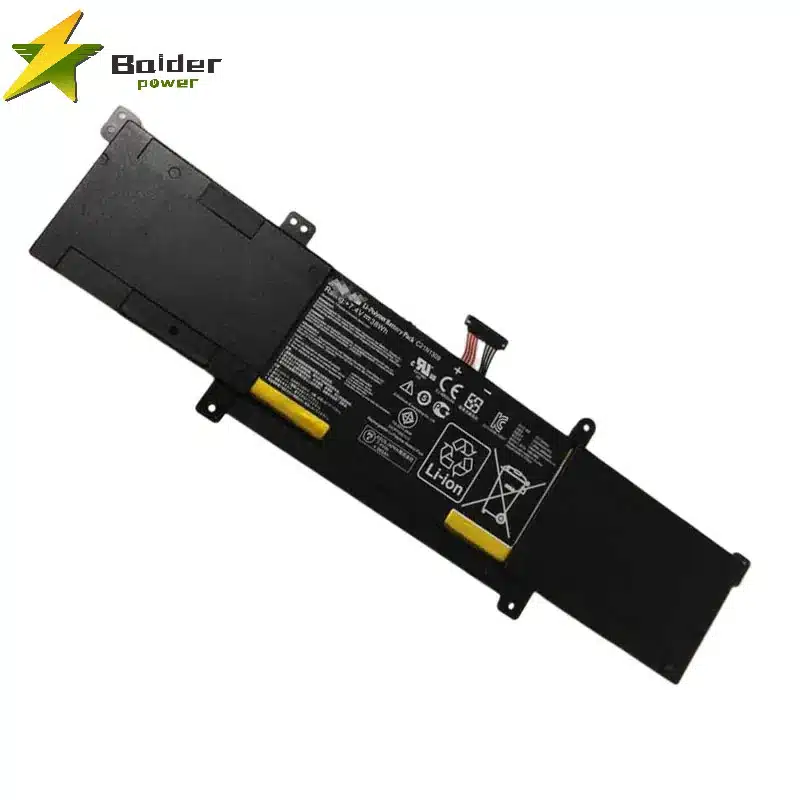
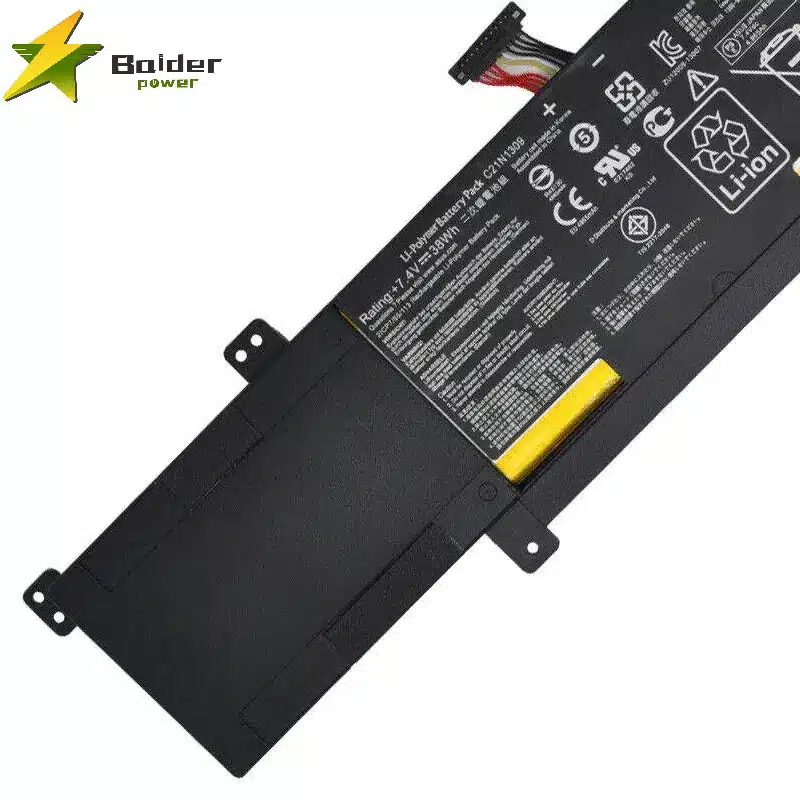
Yes. Q301L and Q301LA are regional SKU variants of the same chassis — Q301L was the base model designation while Q301LA includes the Intel Core i-series processor configuration. Both use the same battery bay, connector, and C21N1309 specification. The Q301LP (AMD A-series processor variant) also uses C21N1309. The R304LA and R304LP follow the same pattern — same battery across Intel and AMD processor configurations. Before ordering, verify the original battery label shows C21N1309 or 0B200-00360000.
Q2: Why does the C21N1309 use only 2 cells but still achieve 38Wh?
ASUS sourced high-density pouch cells for this platform — each cell delivers approximately 4,965mAh at 3.7V, which is significantly above the 3,400–3,600mAh range of standard laptop pouch cells from the same era. The 2S1P (two cells in series) configuration at 7.4V achieves 38Wh without adding a third cell. The tradeoff is that this platform is more sensitive to cell quality — if replacement batteries use standard-density cells instead of the correct high-density spec, the actual delivered capacity will be 28–32Wh despite labeling at 38Wh. Verify incoming stock with a lab discharge test: genuine 38Wh units return 36–40Wh at 0.5C discharge rate.
Q3: Can a standard 11.4V ASUS battery be used as a substitute if C21N1309 is out of stock?
No, under any circumstances. The C21N1309 operates at 7.4V, and the Q301/S301 charging circuit is designed specifically for this voltage. Installing a 3-cell 11.4V battery would require a different connector (it will not physically fit) and would damage the charging circuit if forced. The 2-cell 7.4V architecture is a hard platform specification, not interchangeable with other ASUS battery voltages. If C21N1309 is temporarily unavailable, the correct approach is to wait for restocking rather than substitute a different voltage platform.
Q4: How do I verify a replacement C21N1309 is genuine spec and not a lower-capacity substitute?
Two practical checks. First, run a full discharge at 0.5C on a sample unit using a lab charger — a genuine 38Wh pack returns 36–40Wh at room temperature. Second, check cell balance after a full charge: connect a cell balance monitor to the BMS balance port and confirm both cells read within 20mV of each other at full charge. A significant voltage imbalance (50mV+) on a new battery indicates either mismatched cells or a BMS calibration issue that will cause premature shutdown behavior in the field. Ask your supplier for cell lot traceability documentation before accepting a bulk shipment.
Q5: Is there still repair demand for a battery from a 2013–2014 laptop?
Yes, particularly in markets outside North America and Western Europe where hardware refresh cycles run 8–12 years. The Q301 and S301 series had a distinctive design — the trackpad-as-secondary-display feature on some configurations — that generated user loyalty beyond the typical consumer laptop lifecycle. Repair shops in Latin America, Southeast Asia, and Eastern Europe see consistent C21N1309 requests. For distributors covering these regions, this is a low-competition SKU with stable demand and minimal price pressure from large suppliers who have dropped it from their active catalogs.
Q6: What documentation and warranty terms apply to bulk C21N1309 orders?
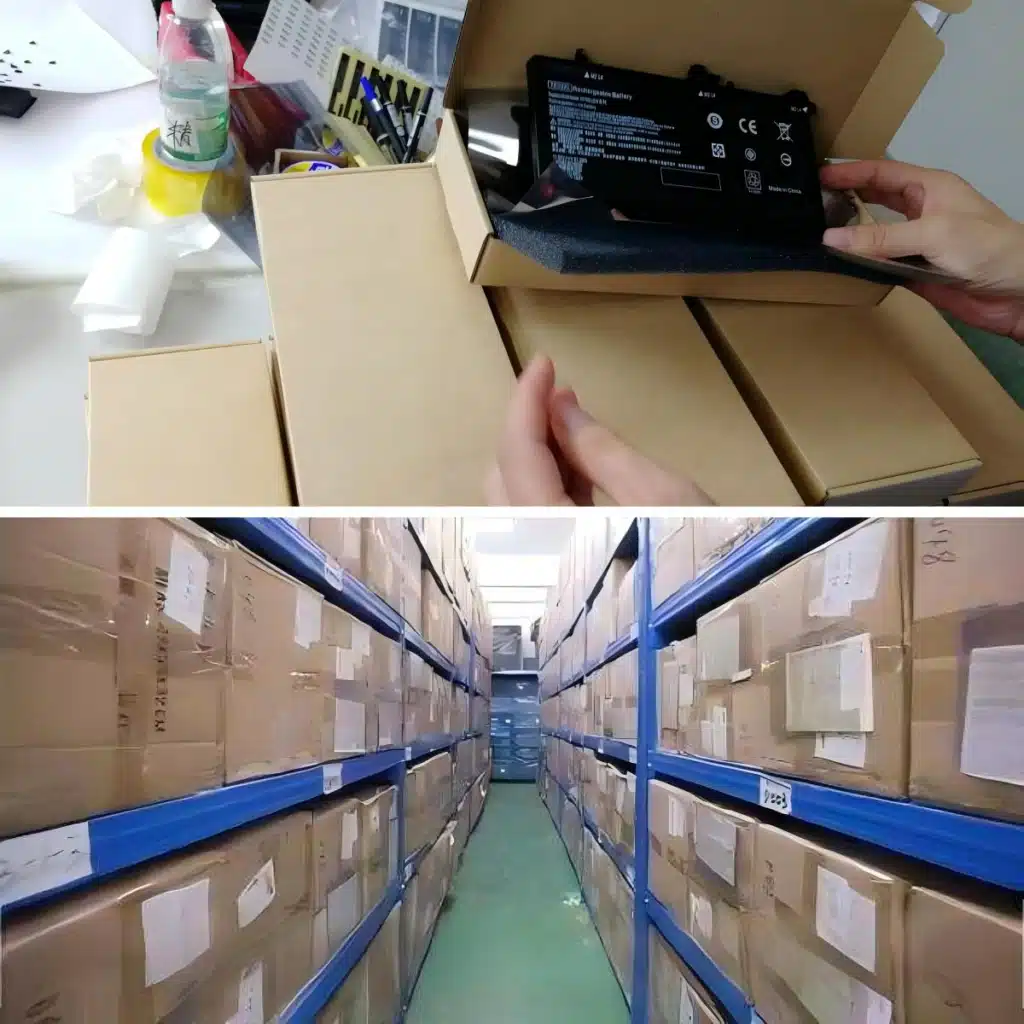
Each bulk shipment includes a Certificate of Conformance with cell lot number, production date, and QC parameters including voltage, capacity, and cell balance verification. Warranty is 12 months from shipment date covering manufacturing defects and capacity degradation below 70% of rated 38Wh. For DOA claims, submit a photo of the defective battery label and brief failure description — return ship