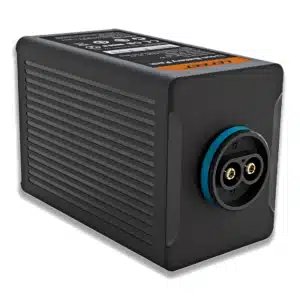
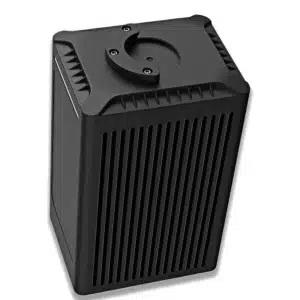
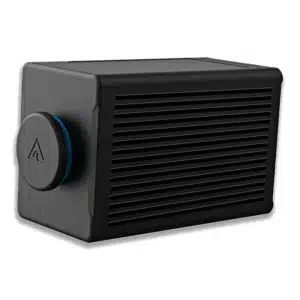
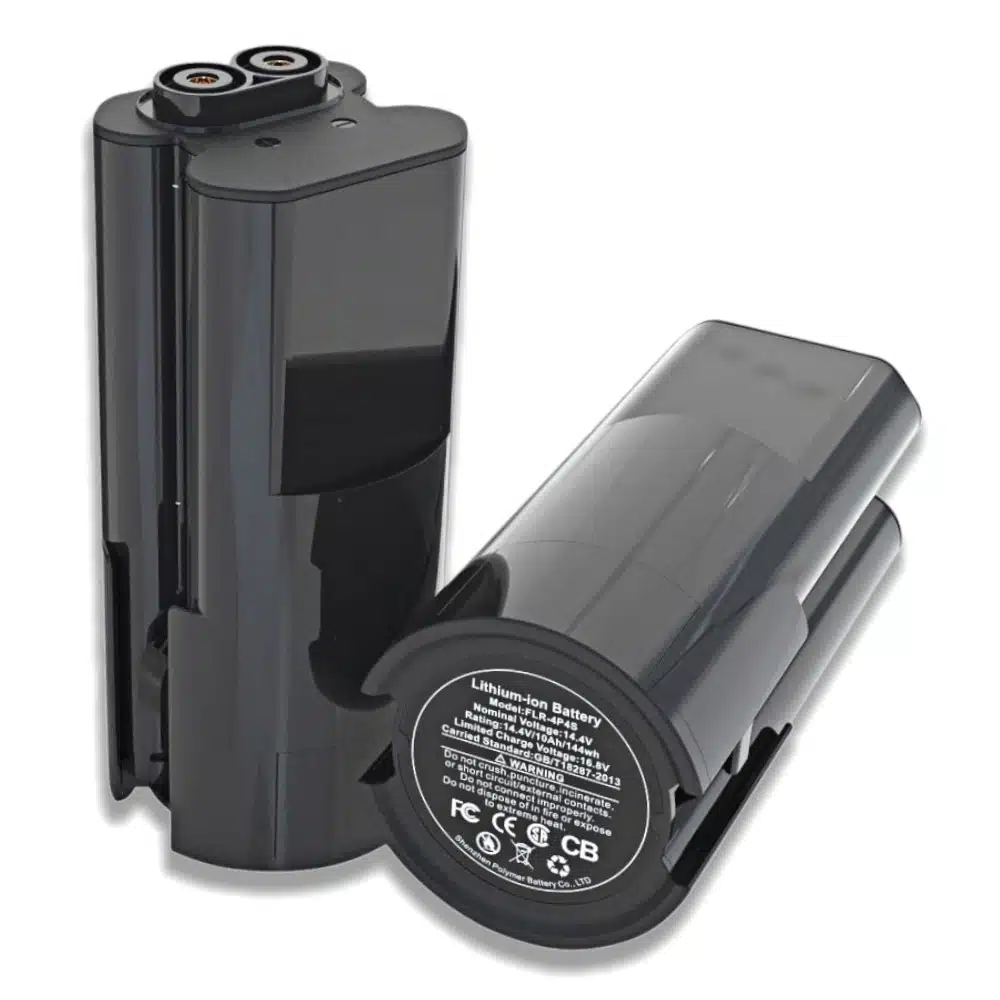
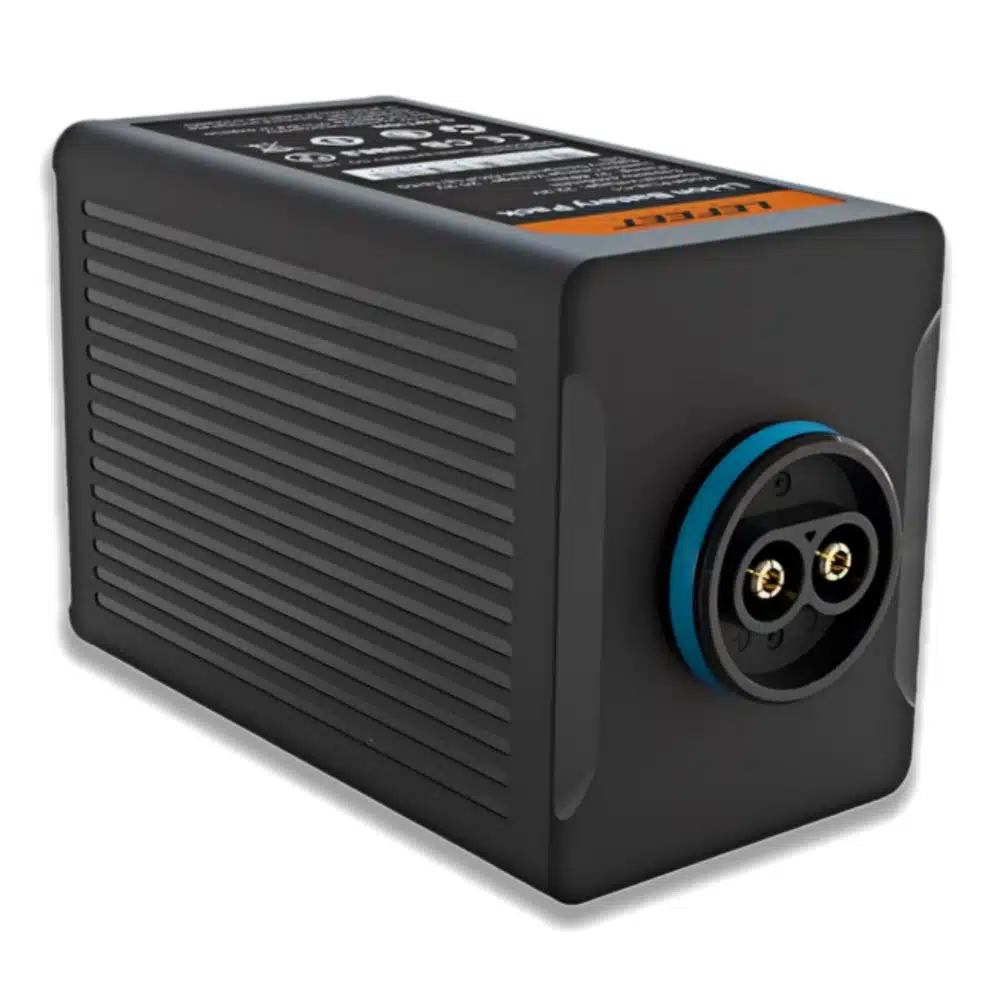
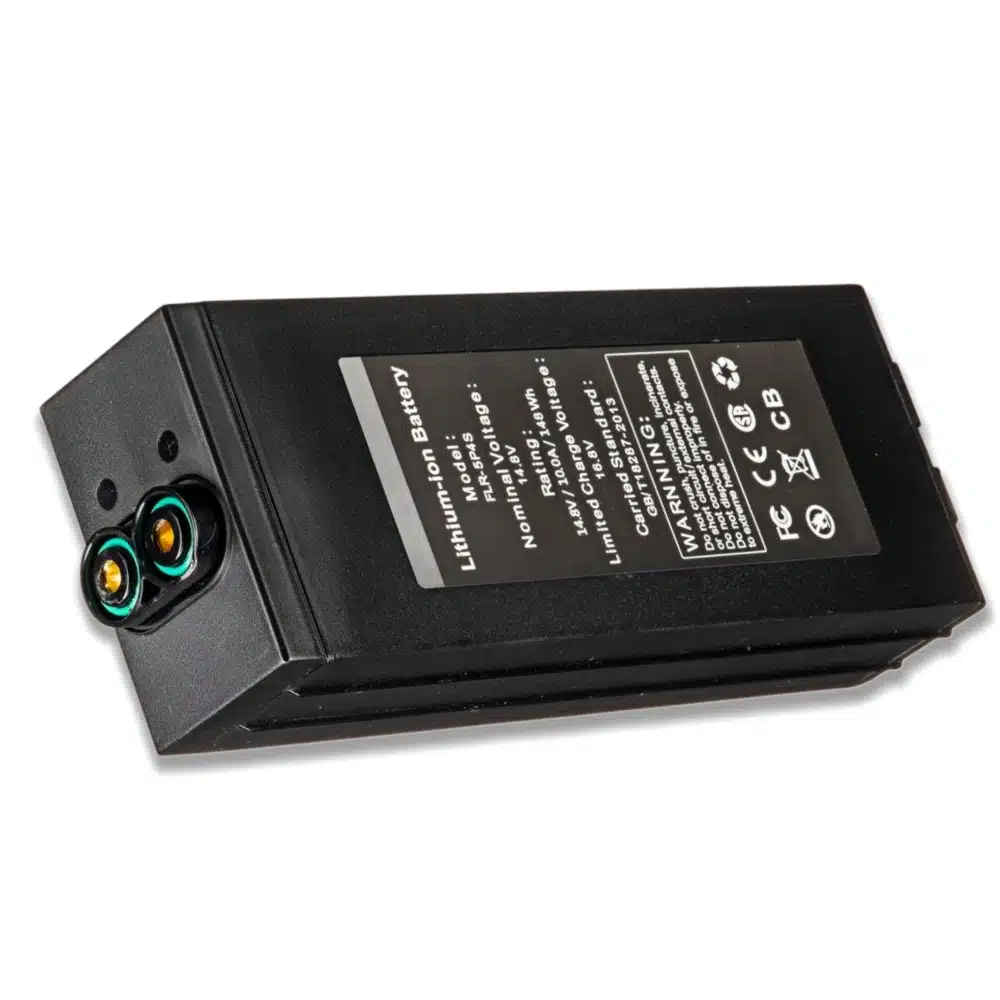
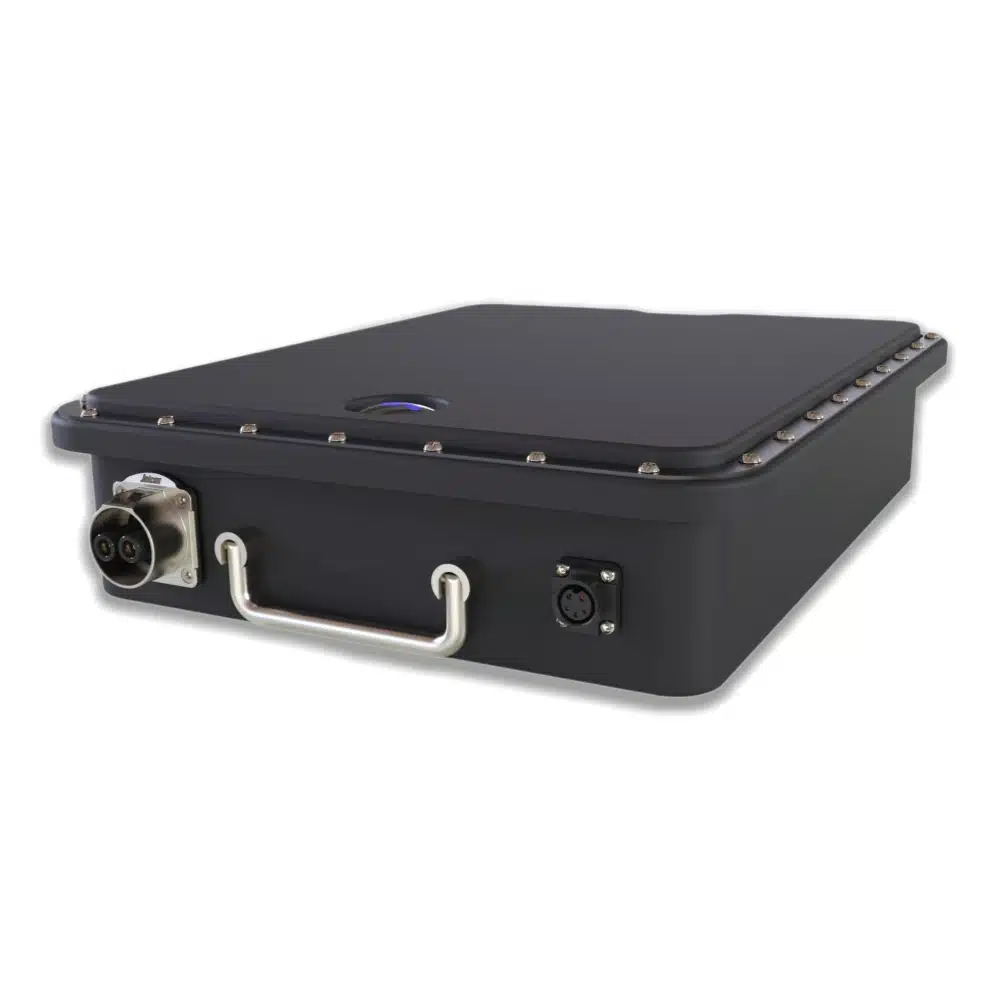
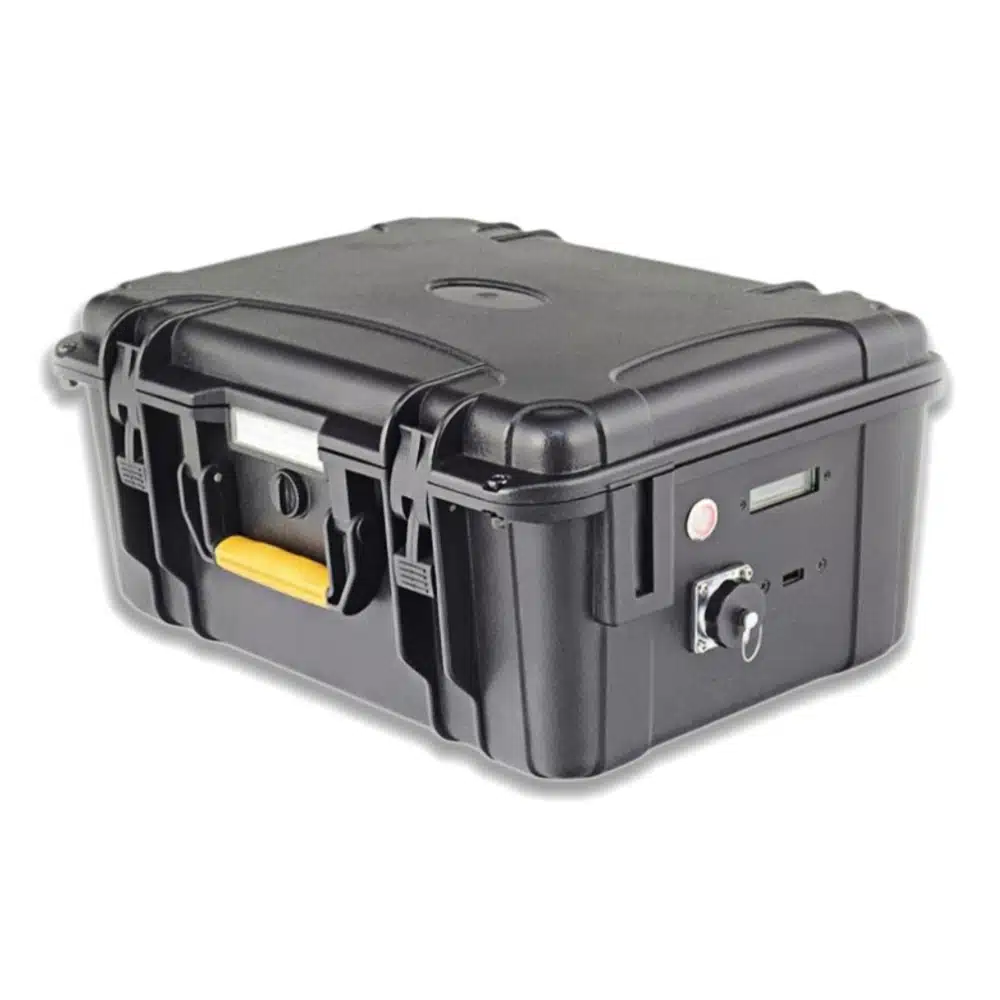
21.6V 4.5Ah IP68 Underwater Scooter Battery Pack — Depth-Rated to 60 Meters | OEM Supply
-
IP68 rated to 60 meters depth — manufactured and immersion-tested to declared depth; every unit passes individual air-pressure leak check and water immersion QC before shipment
-
21.6V / 4.5Ah / 97.2Wh — Samsung SDI 21700 Li-ion cells, 20A continuous discharge, supports 400–600W thruster motor operation
-
Compatible with LEFEET S1 and LEFEET S1 Pro; suitable for underwater scooters, diver propulsion vehicles (DPVs), and compact subsea thruster platforms
-
Underwater hot-swap capable — battery replacement supported at depth without surfacing the device
-
Voltage, capacity, enclosure dimensions, waterproof depth rating, and connector type available for OEM/ODM customization; volume replenishment orders supported
Product Description
The 21.6V 4.5Ah IP68 underwater scooter battery pack is manufactured and tested to continuous submersion at depths of 50 to 60 meters, with every production unit verified by individual air-pressure integrity testing and full-depth water immersion before shipment. Built around Samsung SDI 21700 high-drain cells, the pack delivers 20A continuous discharge current to sustain 400–600W thruster motor operation — a specification matched to the load profile of compact diver propulsion vehicles and underwater scooter platforms. The weight-optimized form factor is engineered to maintain near-neutral buoyancy contribution within the host device chassis during active diving operations.
Compatibility with the LEFEET S1 and LEFEET S1 Pro, two widely deployed compact underwater scooter platforms with precise battery bay geometry and connector interface requirements. The Japanese-brand IC BMS architecture provides full multi-layer protection across overcharge, overdischarge, overcurrent, overtemperature, and short circuit conditions. EPDM O-ring sealing compound is specified on all mechanical assembly interfaces for its chemical resistance to both fresh and chlorinated water — environments where standard silicone compounds show accelerated oxidative degradation under repeated pressure-cycle exposure. Cell matching at the production stage uses internal resistance grading to ensure uniform discharge behavior across the cell group under sustained thruster load.
OEM and ODM customization is available across voltage, capacity, enclosure dimensions, waterproof depth rating, and connector specification. Factory documentation includes IP68 test records, pressure log data, and UN38.3 transport compliance certificates, supporting downstream product certification for customers requiring CE, RoHS, or market-specific approvals. Volume replenishment orders are fulfilled against locked production specifications to ensure batch-to-batch consistency.
Technical Parameters
| Parameter | Specification |
|---|---|
| Battery Model | 21.6V-4.5AH-UW-SCOOTER-IP68-60M |
| Voltage | 21.6V (nominal) |
| Capacity | 4.5Ah |
| Energy | 97.2Wh |
| Cell Chemistry | Li-ion |
| Cell Brand | Samsung SDI 21700 |
| Cell Configuration | 6S (cell count per design) |
| Continuous Discharge Current | 20A |
| Supported Motor Load | 400–600W continuous |
| IP Rating | IP68 |
| Declared Waterproof Depth | 50–60 meters |
| Declared Submersion Duration | Per project specification (customizable) |
| Underwater Hot-Swap | Supported |
| Enclosure Material | Aluminum alloy (anodized) |
| Sealing Method | EPDM O-ring + epoxy potting (dual-barrier) |
| BMS Protection | Japanese IC — overcharge / overdischarge / overcurrent / overtemperature / short circuit |
| Connector Type | Waterproof connector (customizable) |
| Operating Temperature | -20°C to +60°C |
| Condition | New — factory-produced to declared specification |
| Cycle Life | 500+ cycles at standard discharge conditions |
| Certifications | UN38.3 (standard); CE / RoHS available |
| Warranty | 12 months |
| Package Includes | 1× battery pack + documentation package |
| Compatible Applications | LEFEET S1, LEFEET S1 Pro, underwater scooters, diver propulsion vehicles (DPV), compact subsea thruster platforms |
| OEM/ODM | Voltage, capacity, size, waterproof depth, connector — all customizable |
| Supply Type | OEM factory-direct supply; volume replenishment supported |
Features & Advantages
✅ 🔒 IP68 Dual-Barrier Sealing With EPDM Chemical-Resistant O-Ring Compound
Repeated pressure cycling during dive operations — descent compression followed by ascent decompression — places cumulative fatigue stress on O-ring seals that standard silicone compounds are not formulated to withstand over extended service life. This pack specifies EPDM O-ring material on all mechanical assembly interfaces: a compound with demonstrated resistance to chlorine, ozone, and repeated compression-set cycling. The dual-barrier architecture adds epoxy potting to the internal cell and BMS compartments as a secondary protection layer, ensuring that any surface O-ring compression event does not create a direct water ingress path to internal electronics. O-ring groove geometry is machined to tolerance on the aluminum housing to maintain consistent compression across assembly and reassembly cycles in field maintenance programs.
✅ ⚡ 400–600W Continuous Thruster Support With Samsung SDI 21700 Cells
Sustained thruster operation in compact underwater scooters demands cells with low internal resistance and consistent discharge behavior across the full capacity range. Samsung SDI 21700 cells are specified for this pack due to their combination of high energy density and verified high-drain performance — characteristics that allow the 97.2Wh pack to sustain 400–600W motor loads without voltage sag that would reduce thruster speed during a dive. Cell matching at production uses internal resistance grading, ensuring that parallel cell strings within the pack carry balanced current under load. The BMS discharge cutoff thresholds are calibrated for the operating temperature range expected in underwater deployment, where ambient water temperature provides passive thermal regulation that reduces thermal stress on cells during sustained high-current operation.
✅ 📋 Samsung SDI Cell Traceability and IP68 Test Documentation
Every production batch is assembled using Samsung SDI 21700 cells with traceable batch records, providing OEM customers with verifiable cell provenance documentation for their own product specifications and regulatory submissions. The IP68 test documentation package — air-pressure leak test parameters, water immersion depth and duration logs, and photographic records — is provided as standard with prototype and production orders. This package is structured to support downstream CE marking under applicable EN standards, or market-specific regulatory submissions where component-level waterproof performance evidence is required. UN38.3 transport compliance certification is included with all shipments as standard.
Packing & Delivery
Secure & Compliant Packaging
To ensure safe transit for Class 9 Dangerous Goods, every battery is protected with high-quality Pearl Wool (EPE Foam) and encased in UN-certified cartons. For bulk shipments, we utilize sturdy Plywood or Plastic Pallets wrapped in shrink film, fully compliant with international shipping regulations.
Global Shipping Options (Incoterms)
We support flexible shipping terms to suit your business needs, including FOB, CIF, and DDP (Door-to-Door including tax).
- By Sea: The most economical choice for bulk orders.
- By Air / Express: Fast delivery for samples (DHL/UPS/FedEx).
- By Railway: Reliable CR Express service for European and Central Asian markets.
Production Lead Time
Our lead time varies based on product customization:
| Product Type | Samples | Bulk Order |
|---|---|---|
| Standard Models | 5 - 7 Days | 14 - 20 Days |
| Customized Models | 7 - 14 Days | 14 - 28 Days |
Global Safety Standards & OEM Compliance
When integrating a custom lithium battery pack into your device, regulatory compliance is non-negotiable. At Balder Power, our OEM battery solutions are engineered from the ground up to pass rigorous international safety tests. We ensure your custom packs meet CE, UL, and IEC performance standards, while providing the mandatory UN38.3 and MSDS reports required for seamless global shipping. From initial prototyping to final certification, we eliminate compliance hurdles to accelerate your product’s market entry.


FAQ
Q1: Why is EPDM specified for the O-ring material rather than standard silicone, and does it hold up under repeated pressure cycling in dive operations?
Standard silicone O-ring compounds perform adequately in static or infrequent immersion scenarios but show measurable compression-set degradation when subjected to the repeated pressure cycling that characterizes active diving use — multiple descents and ascents per session, across hundreds of dive cycles over the product service life. Each pressure cycle compresses and releases the O-ring, and compounds with lower elastic recovery gradually lose the force needed to maintain a watertight seal. EPDM’s cross-linked polymer structure provides significantly higher elastic recovery after compression cycling, maintaining consistent seal force across the service life of the pack. Additionally, EPDM’s saturated backbone resists oxidative attack from chlorine and ozone — relevant for both pool use and open-water environments where ozone levels in surface water vary seasonally. The secondary epoxy potting layer on internal compartments provides a non-elastomeric barrier that is unaffected by any of these chemical exposures.
Q2: The LEFEET S1 Pro has a specific battery bay geometry and connector interface. How is dimensional consistency maintained across production batches?
The LEFEET S1 and S1 Pro battery bay dimensions are held as fixed parameters in our enclosure machining program, with first-article inspection performed at the start of each production run using calibrated go/no-go gauging on the critical fit dimensions — housing length, width, height, and O-ring groove depth and width. Any dimensional reading outside tolerance triggers a tooling offset correction before production continues. The connector pin assignment and housing interface geometry for both LEFEET platforms are documented in our production records. For integration into a modified LEFEET chassis or a third-party device with similar geometry, provide the battery bay drawing and connector spec before prototype ordering so we can confirm fit against your specific tolerance stack before committing production.
Q3: What is the minimum order quantity, and what parameters can be adjusted for OEM programs?
Prototype validation orders using existing enclosure tooling can proceed at 10 to 20 units. Full OEM customization is available across all primary parameters: voltage, capacity, declared waterproof depth and duration, enclosure outer dimensions, connector type and pin assignment, and BMS communication protocol. Cell brand specification — including Samsung SDI retention or alternative cell sourcing for volume cost optimization — can be discussed for established production programs. Projects requiring new enclosure tooling involve a tooling cost and lead time discussion at the proposal stage. Submit your application specification and we return a technical proposal with pricing and lead time within 48 hours.
Q4: How does the underwater hot-swap function work on a DPV, and what connector interface is required?
Underwater hot-swap allows the battery to be disconnected and replaced while the scooter remains submerged — eliminating the need to surface between battery changes during extended dive operations or multi-diver programs where multiple units cycle through the same device. The function requires a wet-mate connector: a connector type specifically rated for make-and-break operations while both halves are submerged, with sealed pin and socket housings that exclude water from the electrical contact area during the connect and disconnect sequence. The default connector on this pack supports wet-mate operation. If your platform uses a different wet-mate connector standard — SubConn, Cobalt, or a proprietary interface — specify the connector type and pin assignment at inquiry stage and we configure the pack to match.
Q5: What does the IP68 test documentation package contain, and how does it support CE marking submissions for DPV products?
The documentation package shipped with every OEM order contains four elements: the air-pressure leak test record for each production batch (test pressure value, hold duration, pass/fail threshold), the water immersion test record (declared depth, soak duration, water temperature, pass/fail result), photographic documentation of the immersion test procedure, and the UN38.3 transport compliance certificate. For CE marking of a DPV product under the applicable Machinery Directive or Low Voltage Directive, the IP68 test records for the battery component serve as technical evidence in your product technical file, demonstrating that the battery has been tested to a declared waterproof standard appropriate to the product’s operating environment — a documentation requirement that notified bodies frequently request for aquatic equipment applications.
Q6: What is the storage recommendation for this pack between dive seasons, and how does storage in a sealed enclosure affect long-term cell health?
For storage periods exceeding 30 days, maintain the pack at 40–60% state of charge — approximately 22.2V to 23.4V on the pack terminals. Storing at full charge accelerates electrolyte oxidation at the cathode interface, reducing available capacity over repeated storage cycles; storing at full discharge risks copper dissolution at the anode if the pack voltage drops below the BMS undervoltage protection threshold during self-discharge over an extended storage period. The sealed IP68 enclosure does not introduce additional storage risk compared to a vented pack at the same state of charge — there is no trapped gas effect at normal storage temperatures. Storage temperature should not exceed 35°C. For packs stored longer than 6 months, a single charge-discharge cycle to verify capacity before returning to active use is recommended practice.